
Košice municipality is transforming a neglected area into a vibrant park through citizen co-creation. Over 2,096 residents joined survey and shared their opinion. Understanding community needs is crucial to shaping a space that truly belongs to its people.
The “Park behind the Malthouse” (Slovak version “Park za Sladovňou”) project began in 2019 with a simple but powerful idea: citizens should be the central designers of their own public spaces. The area had long been neglected — associated with waste, poor conditions, and social exclusion. Today, it is being transformed into a vibrant, accessible green space that reflects the real needs of the people who live nearby.
Over 2,096 residents took part in surveys, sharing their priorities — more greenery, flower beds, quiet zones, playgrounds, and barbecue areas. Citizens didn’t stop at surveys; they rolled up their sleeves and joined clean-up efforts, helping remove 3.5 tons of garbage from the site. This hands-on involvement built a sense of ownership that no top-down planning process could replicate.
What Do Košice Residents Want? The Survey Results
To ensure the new park truly reflects the wishes of the community, the city conducted a large-scale questionnaire survey with 2,096 residents participating. The results painted a clear picture of what the future “Park behind the Malthouse” should look like.
The survey reached a broad cross-section of the community — 53.3% of respondents were women and 45.8% men, with 720 participants living directly in the Košice-West district. A further 36.4% of respondents regularly pass through the area, underlining its importance as a local thoroughfare.
When asked about their vision for the space, 54.2% of residents imagined something similar to the city’s beloved City Park — a well-maintained area with multiple zones, rich greenery, and a central, welcoming character. A further 21.3% preferred a model closer to Barčiansky Park, with a quieter atmosphere and a strong proportion of natural greenery. Over half of respondents — 53.3% — envisioned the site as an enhanced nature area filled with flower beds, water features, and a relaxing, peaceful atmosphere.
In terms of amenities, the community spoke clearly: 77.1% called for sufficient seating and benches, 56.8% wanted children’s play areas, and 51% expressed a desire for picnic and barbecue facilities.
Even the park’s name was put to the community. The favourite? “Park za Sladovňou” — Park behind the Malthouse — chosen by 43.2% of respondents, a name rooted in the area’s own history and identity.
The project didn’t choose between community input and expert knowledge — it embraced both. Ecologists and urban planners contributed by reintroducing indigenous plant species, including native apple and pear trees, restoring local biodiversity while strengthening the area’s natural identity. A nearby community centre established a community garden, creating a space for ongoing collaboration and connection.
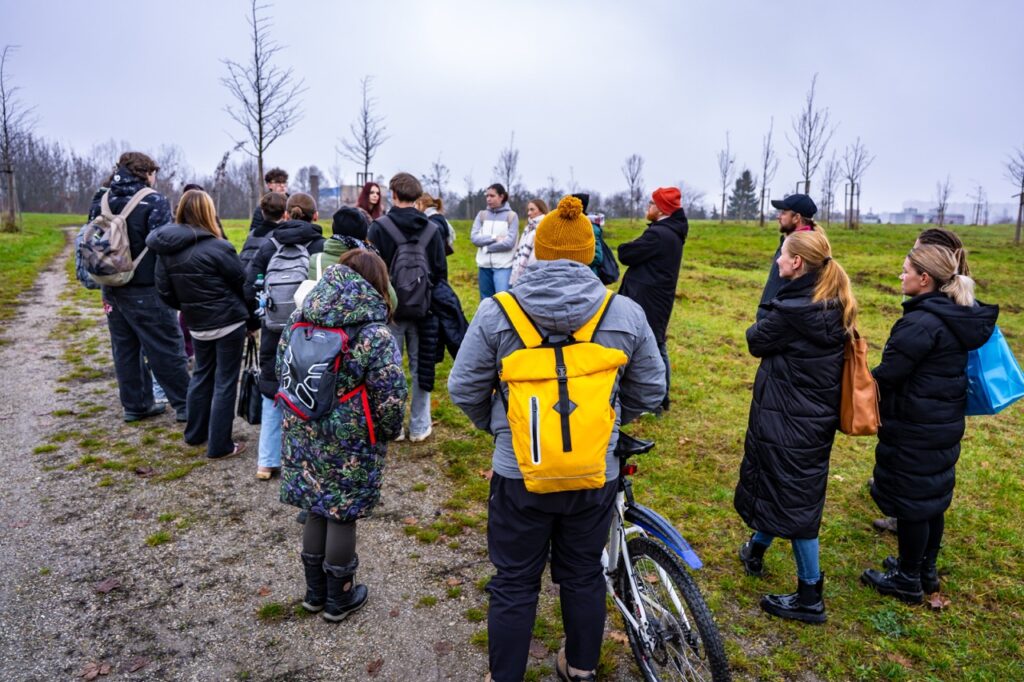
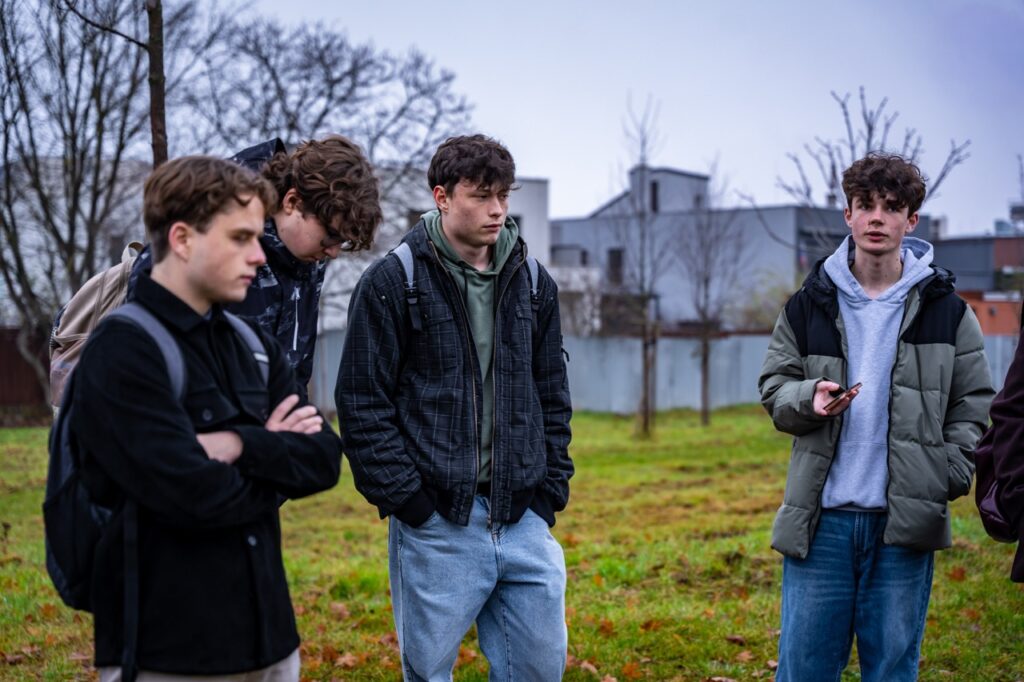
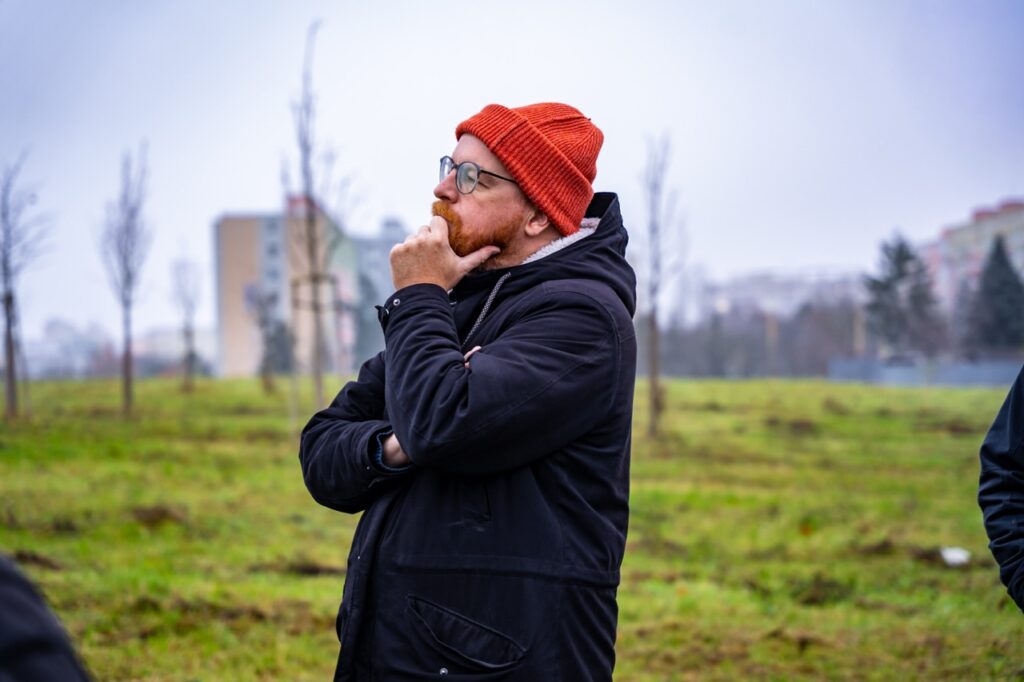
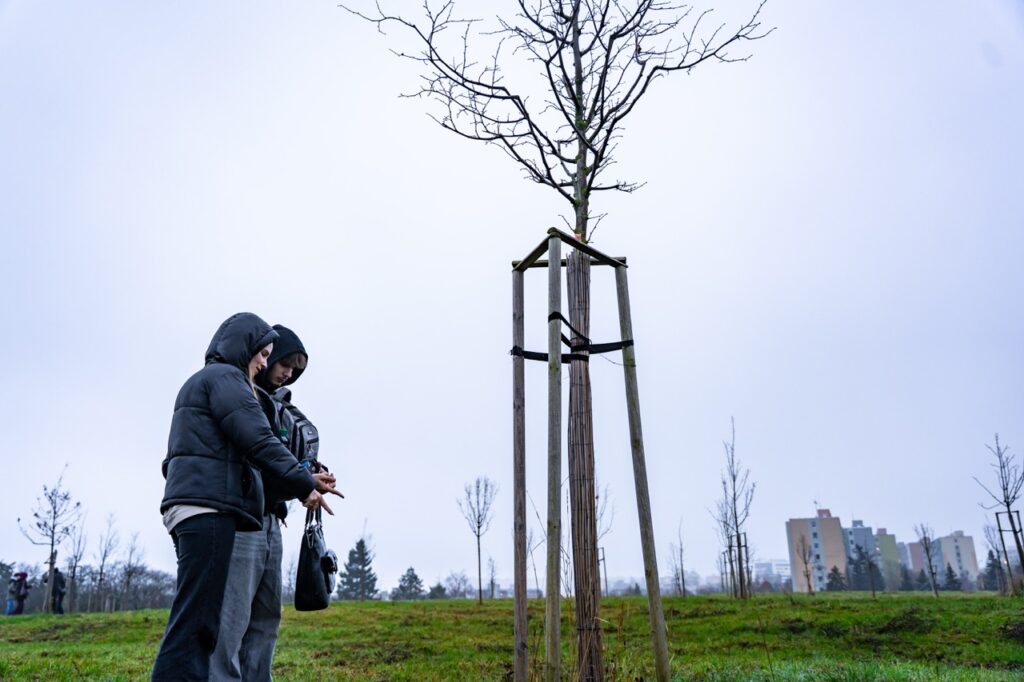
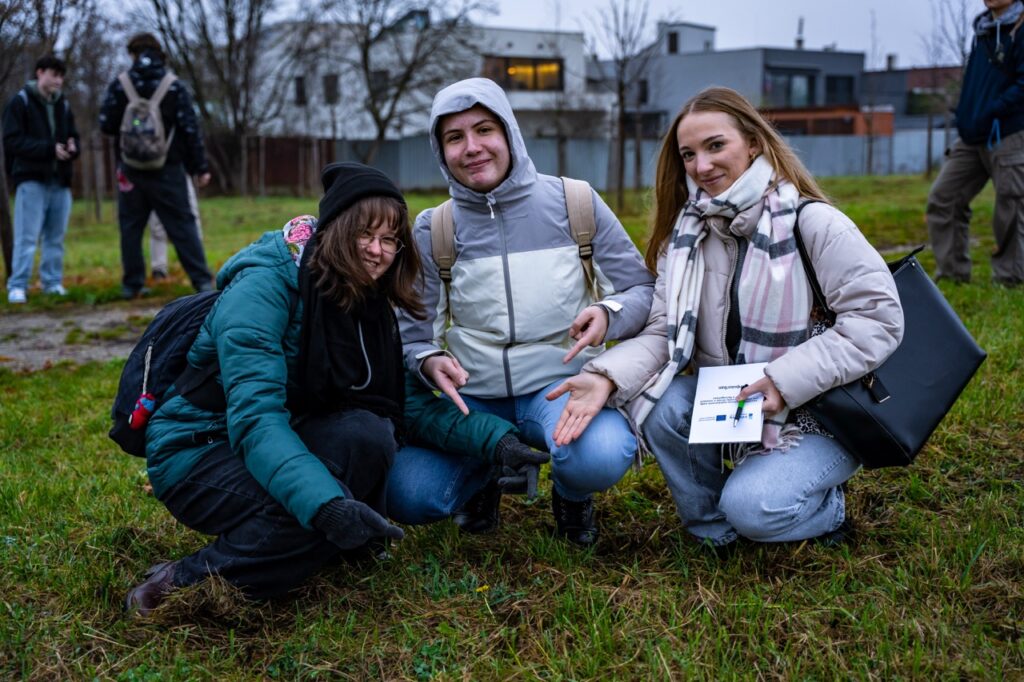
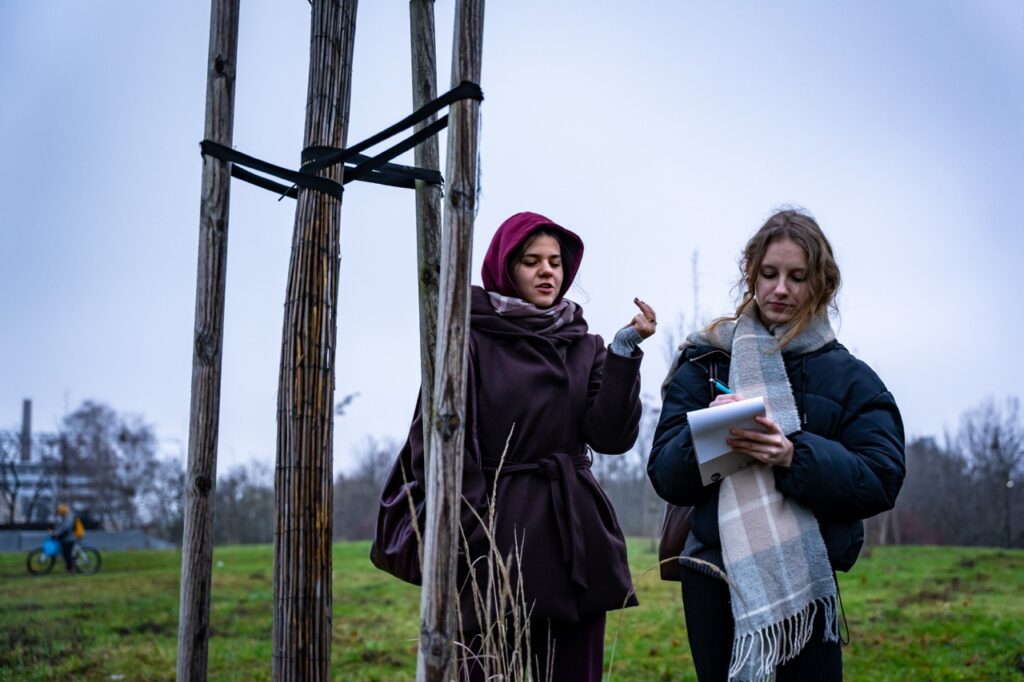
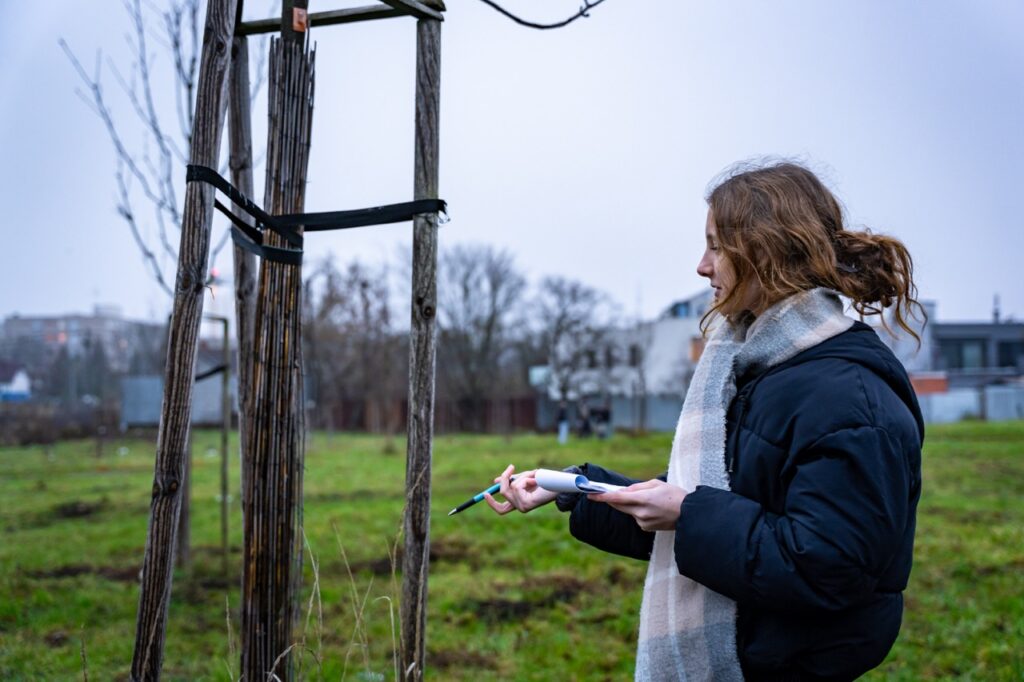
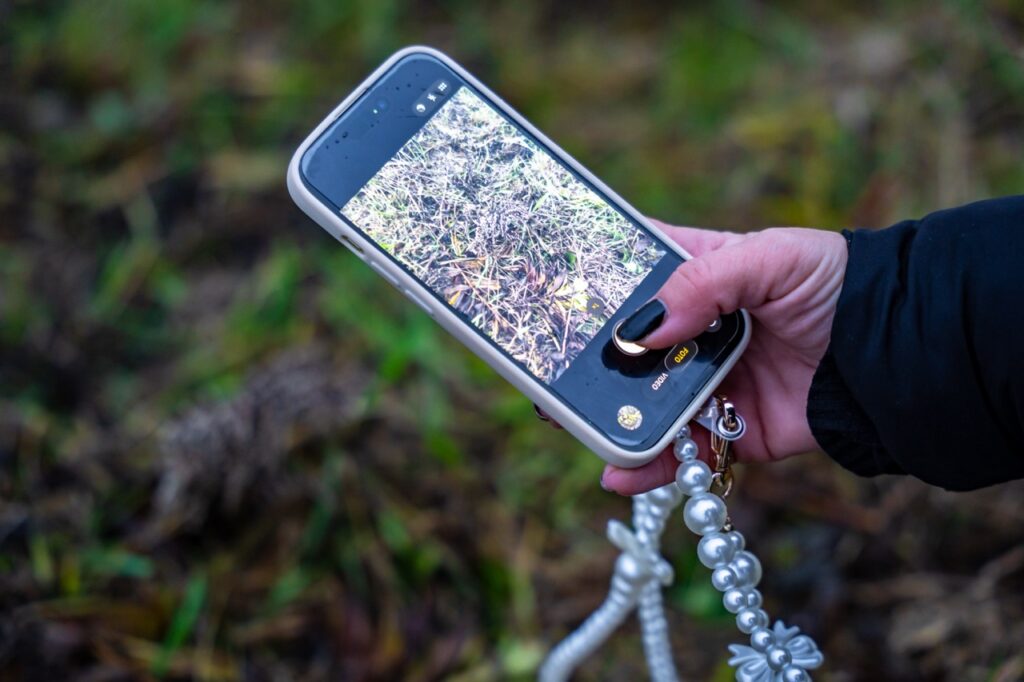
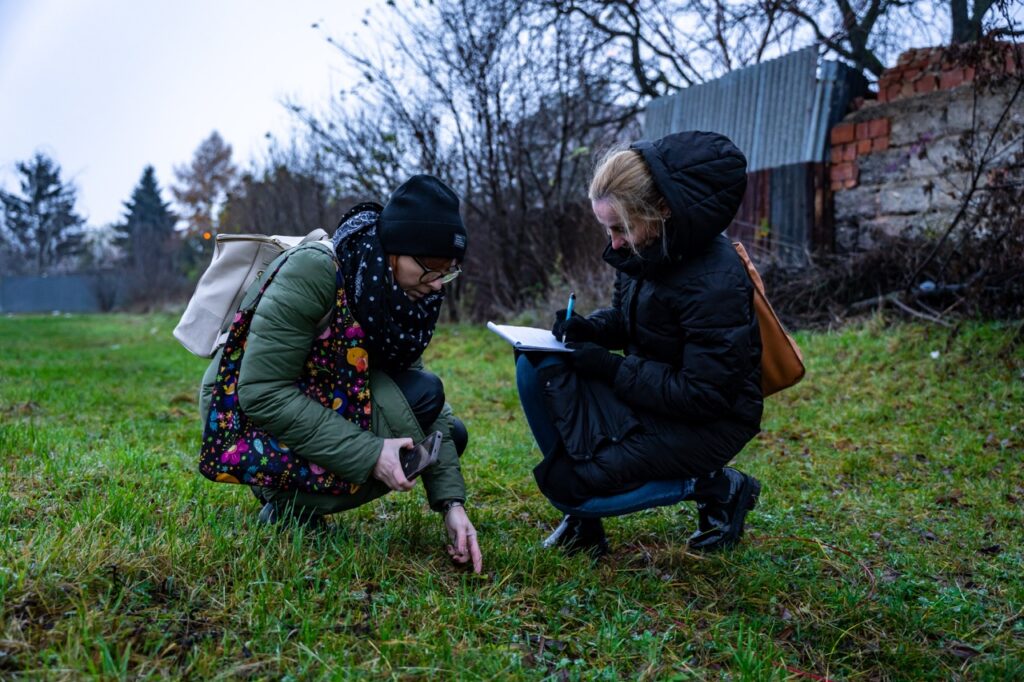
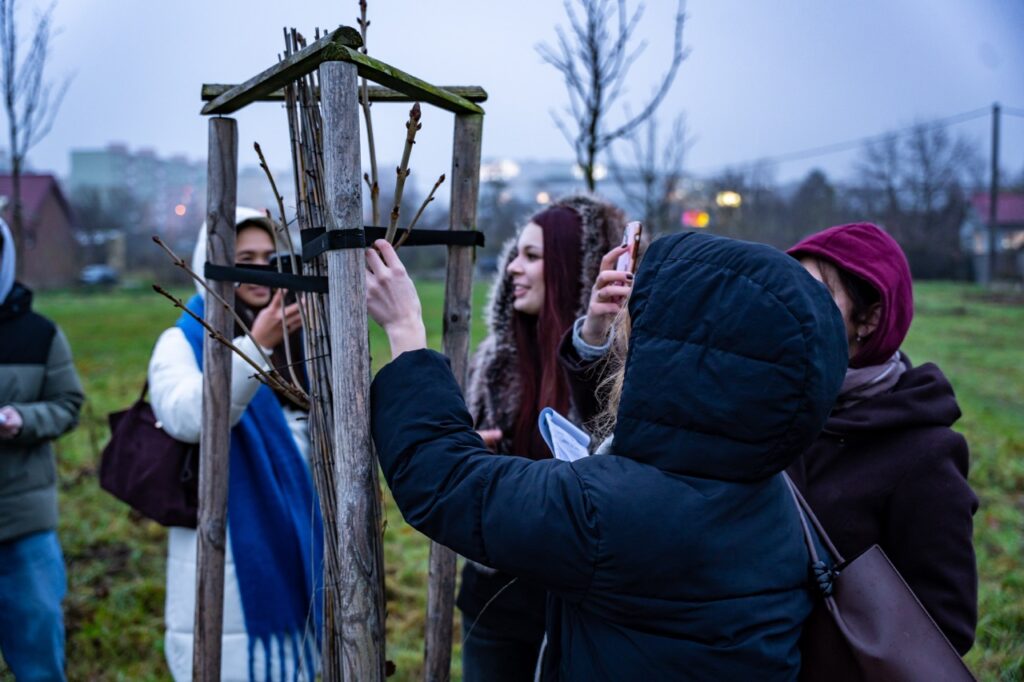
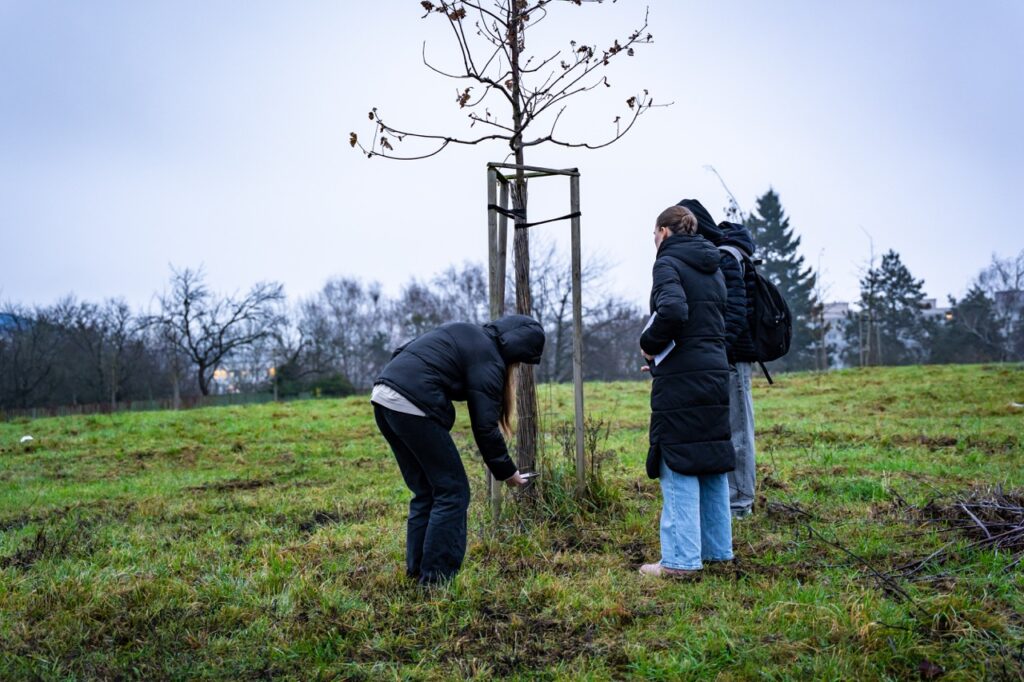
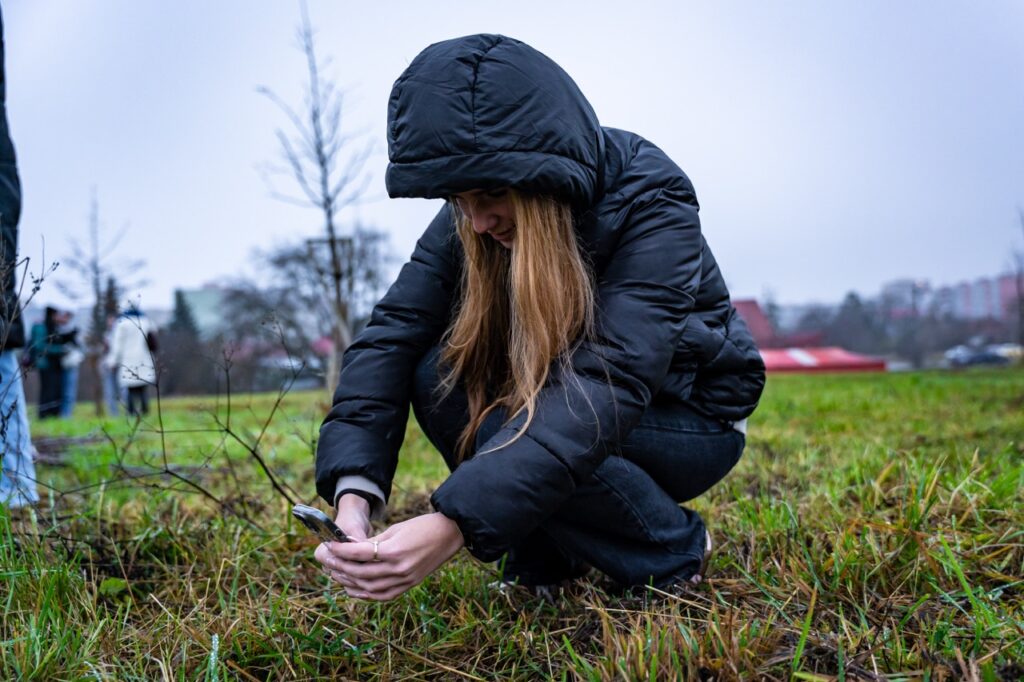
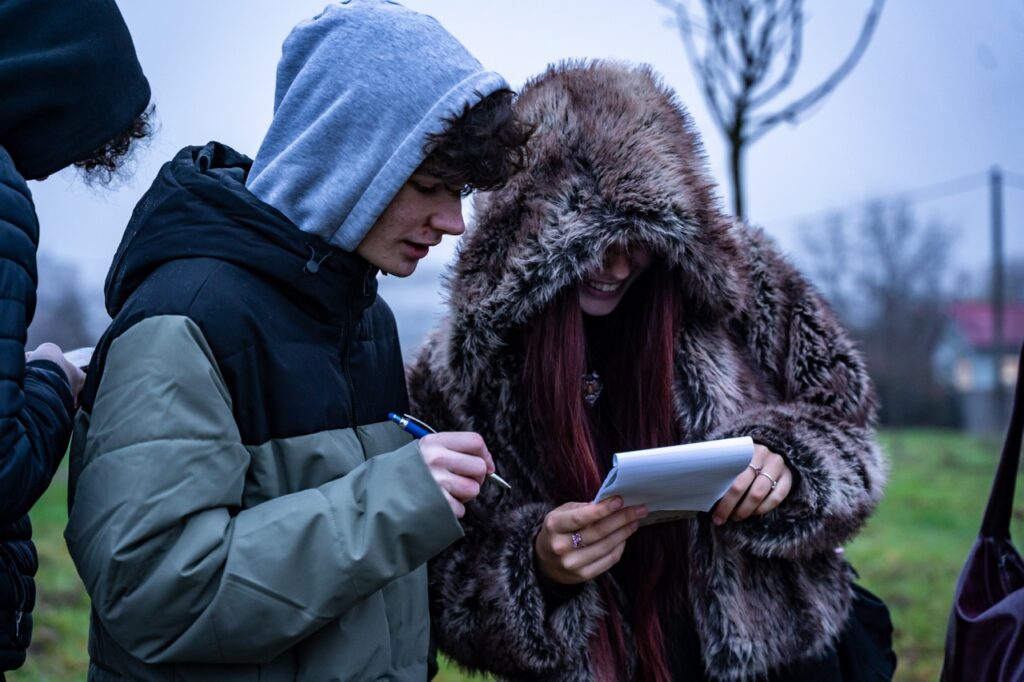
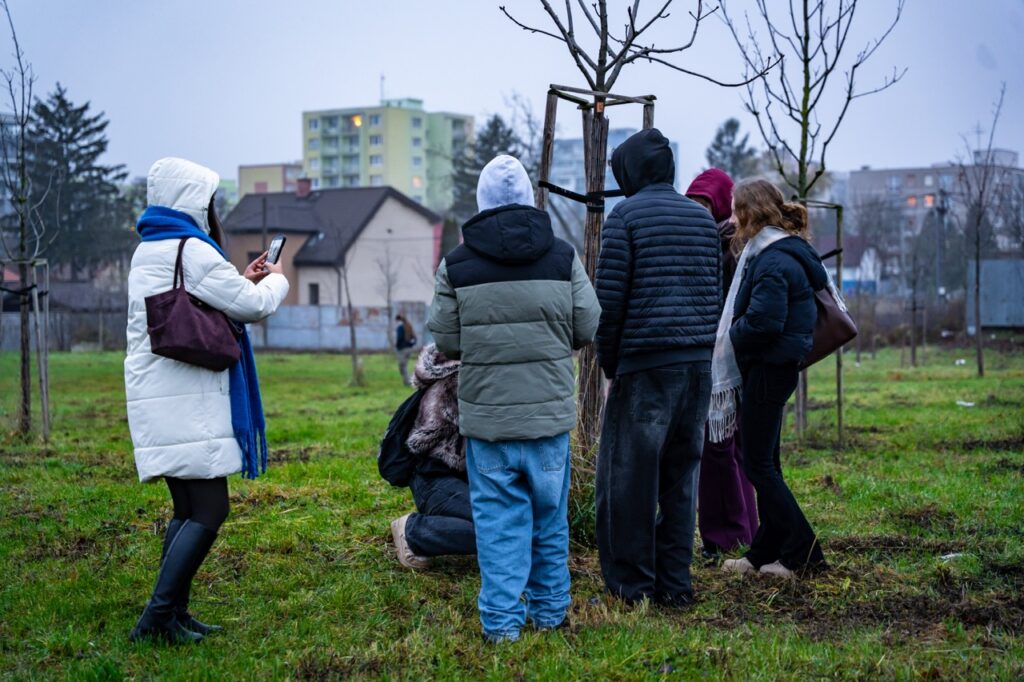
Photo: Košice city
Counting Species, Building Connections: The Bioblitz Experience
The Bioblitz aimed to identify as many plant and animal species as possible within a short timeframe, serving as an ecological baseline ahead of planned park interventions. Key goals included mapping biodiversity, involving students in practical ecology, and raising environmental awareness. The event brought together 23 participants — experts, students, and city municipality staff — making it the first systematic ecological survey of its kind in Košice.
Despite taking place in late autumn, participants recorded a rich diversity of life: 18 plant species across grassland, damp, and shaded zones; 5 fungi species in moist areas; 4 bird species including great tit, blackbird, house sparrow, and crow; and 9 types of animal signs such as burrows, tracks, and insects — confirming a thriving urban ecosystem even out of season.
The results confirm that even an urban environment can support rich biodiversity, providing a strong foundation for ecologically sensitive park planning. The Bioblitz demonstrated that the site has real potential to become a living urban habitat, and that engaging students and the community deepens their connection to nature.
In Košice, the message is clear: when citizens are empowered to co-create their environment, the result is more than a park. It is a community. And the work is far from over. The Park Za Sladovňou is a living project — one that evolves with every survey completed, every tree planted, and every species mapped. As the city moves forward with reconstruction and ecological planning, residents remain at the heart of every decision. This is not a story with a final chapter. It is an ongoing conversation between a city and its people.
The initiative was highlighted as a “good practice” in the UrbCitizenPower project. The UrbCitizenPower project is co-funded by the Interreg Europe program.