
In the abandoned mines of eastern Slovakia, mining has left a toxic trail – acidic waters and heavy metals slowly but steadily poisoning the landscape. The art of Lorna Solísová Bravo and Beáta Kolbašovská has transformed this invisible threat into an audible one.
During a two-month residency titled Photosynthesis, artists Lorena Solís Bravo and Beáta Kolbašovská collaborated on the exhibition Counterflow.
The exhibition is the result of the PhotoSynthesis – One World, One Landscape residency project, which aimed to reflect on the ecological challenges of the eastern Slovak region through innovative technologies.
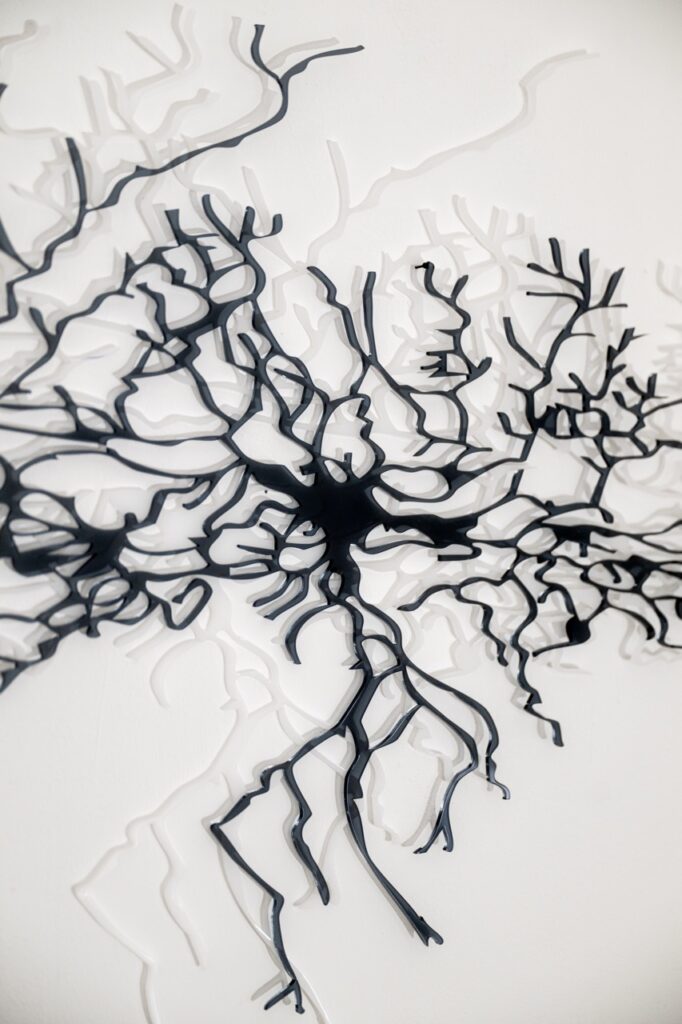
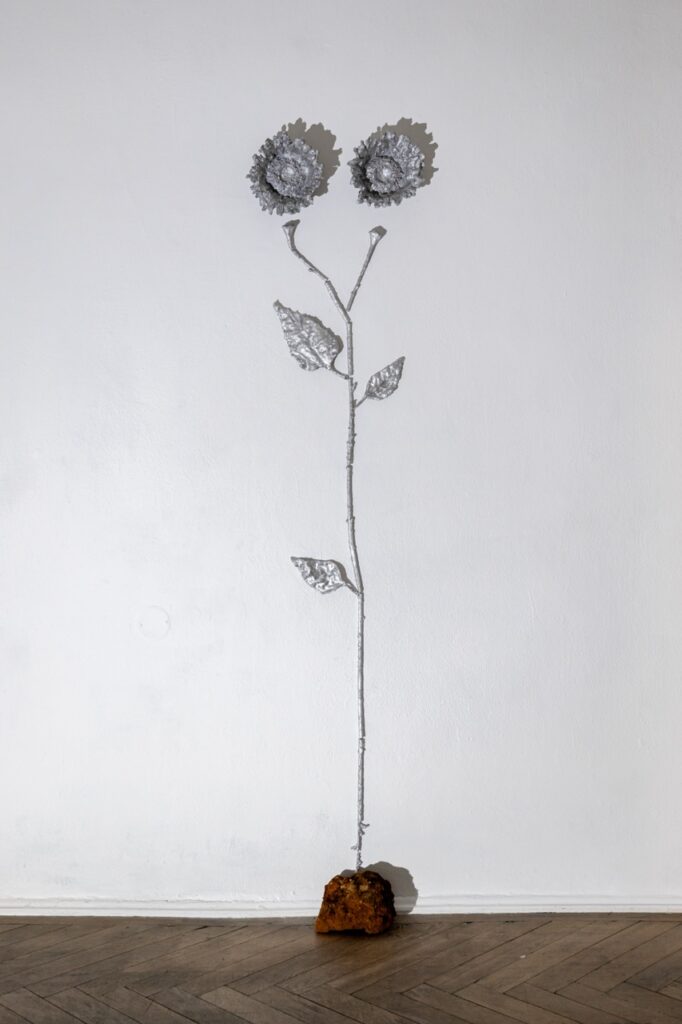
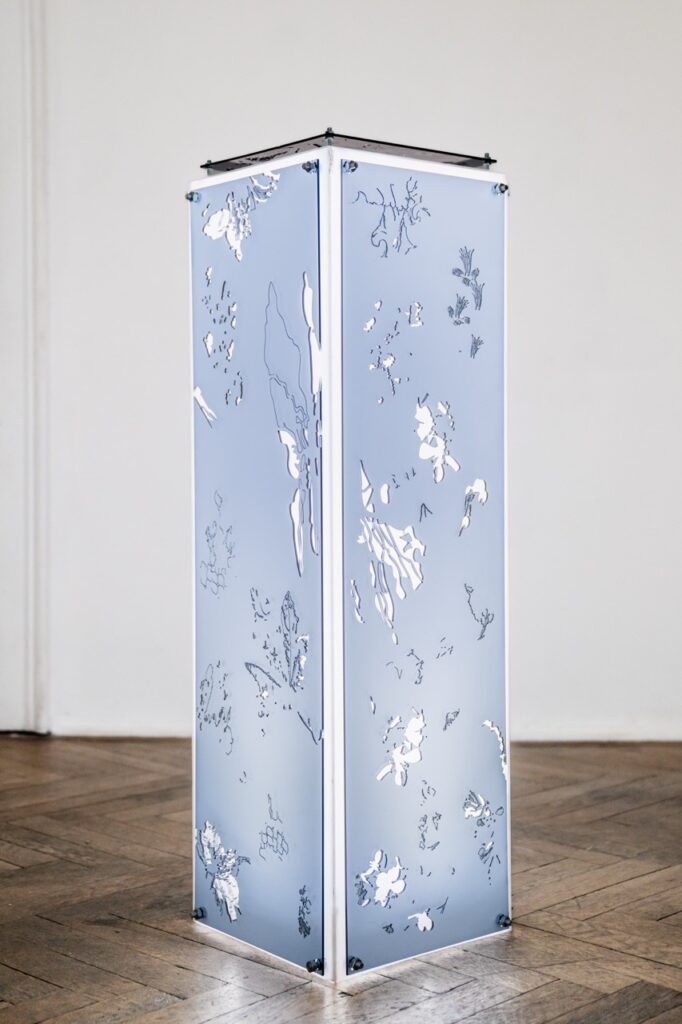
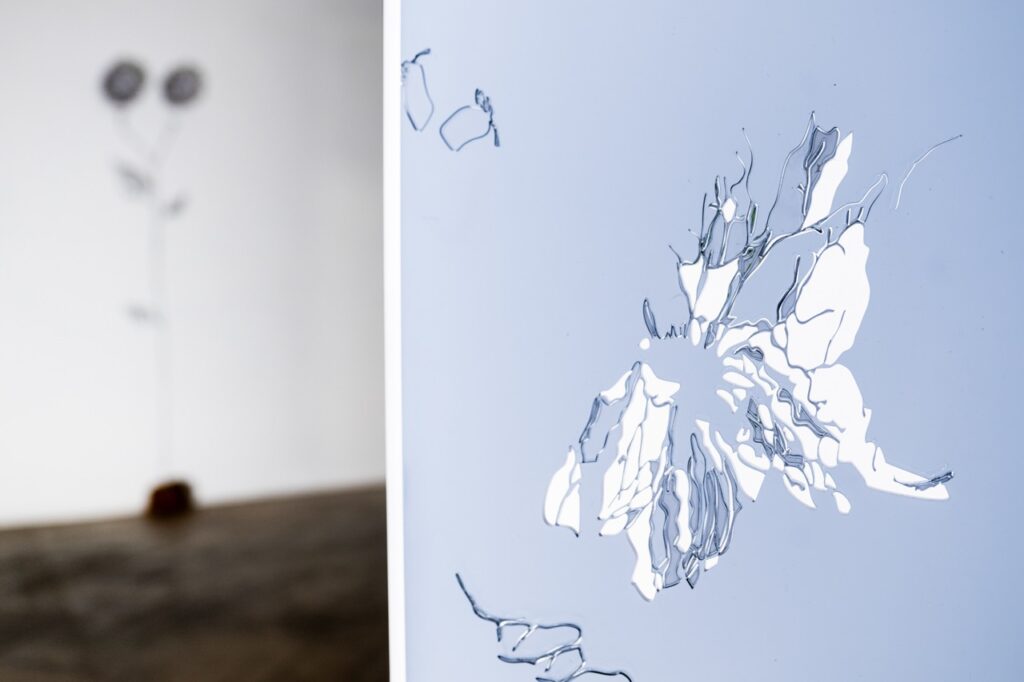
Using special microphones such as hydrophones or geophones, the authors captured the sounds of pollution that normally escape human perception – the movement of molecules in contaminated water or vibrations seeping through the soil. Sonification thus became a way to recognize and understand the long-term violence committed against nature.
According to the authors, industrialization broke the original respectful relationship of man to the land and water, which was once deeply rooted in Slavic mythologies. Therefore, they did not seek a solution in clean technology, but in the restoration of this relationship. The key was phytoremediation – the ability of specific plants to absorb toxic substances from the soil. They did not perceive this process as human dominance over nature, but as a symbiotic act of mutual care.
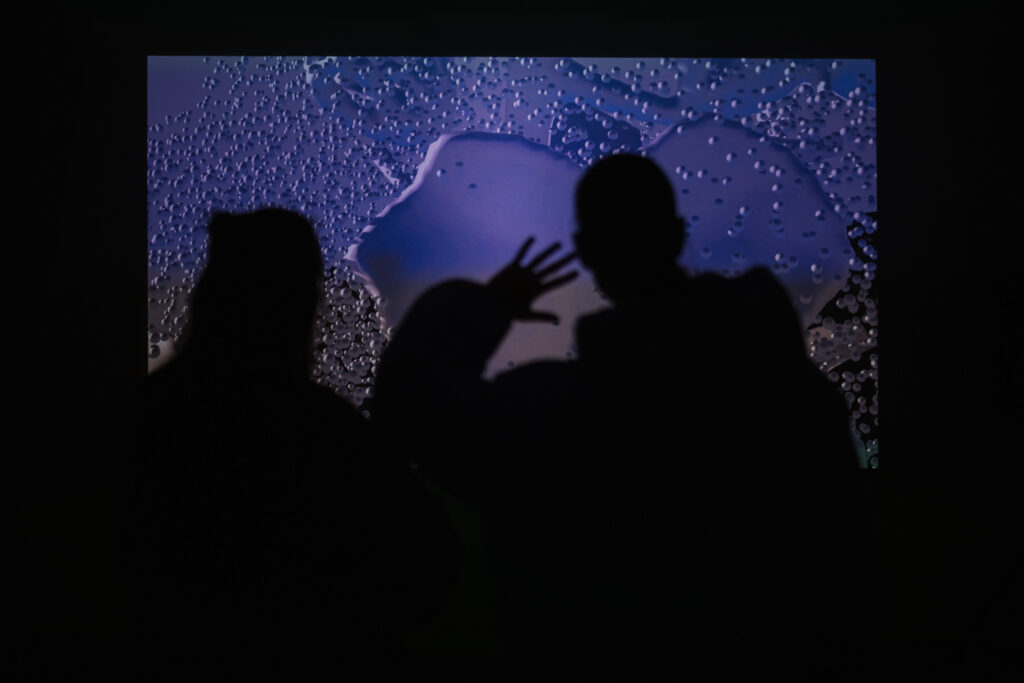
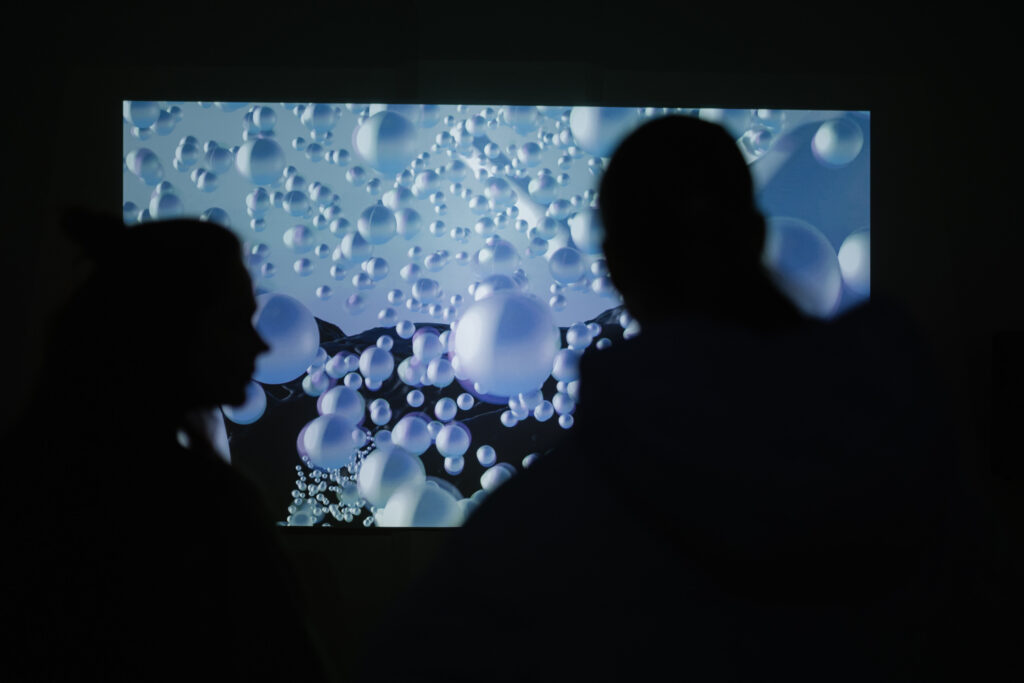
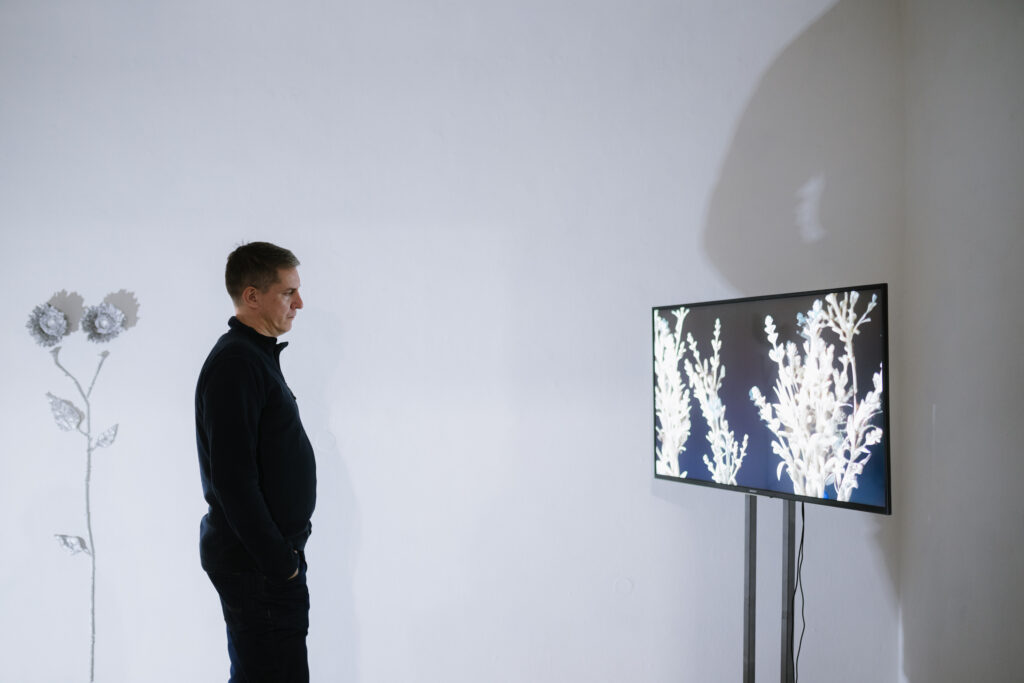
The exhibition, titled Counterflow, combined video installations, surround sound, and 3D scans of the mining landscape with mythology and scientific data. The toxic arsenic-laden sediments themselves became part of the exhibition—visually present but untouchable. From them grew a sunflower as a symbol of purification.
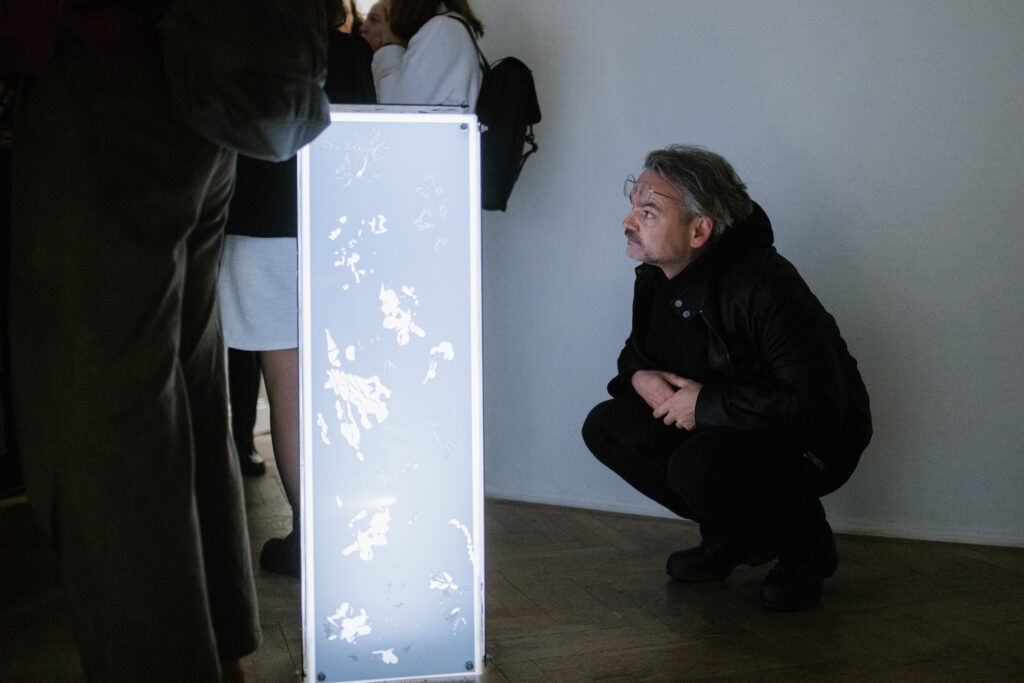
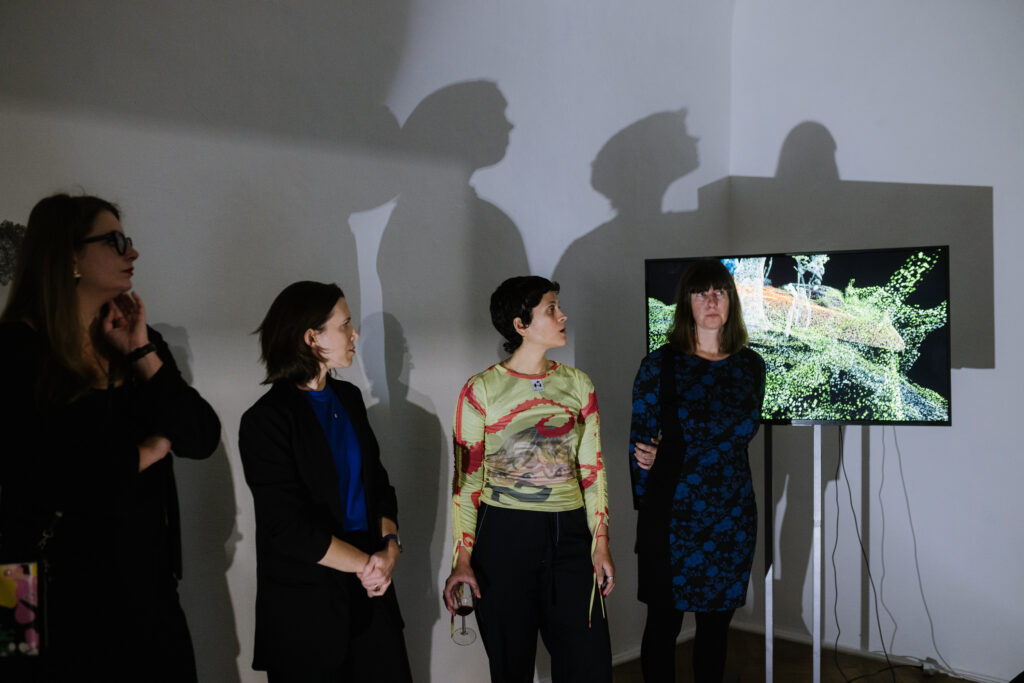
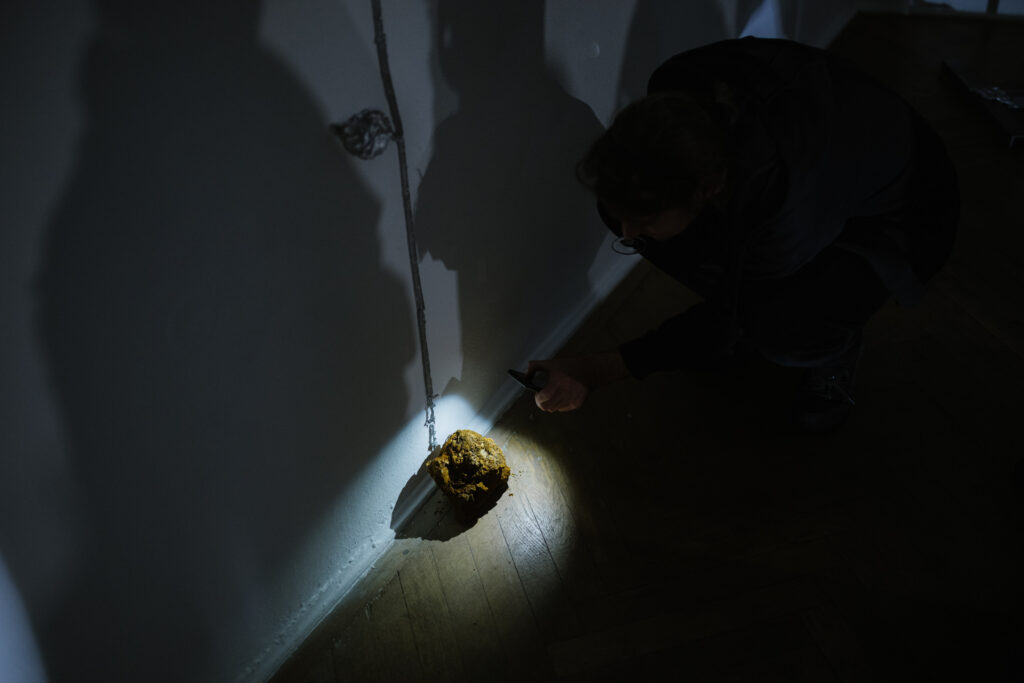
One of the key works was the so-called fluvial map, created from vectors of Slovak rivers. It was disassembled and reassembled in such a way that it resembled a water network, a vein system and root structures at the same time. A rhizome was created in which the body of the land and the bodies of living organisms could no longer be separated.
Counterflow did not offer a naive vision of a return to intact nature. It was a radical reassessment of what it means to live in a contaminated landscape. The title of the exhibition referred to the counterflow – a biological flow of plants and bacteria that absorbs and neutralizes the destruction caused by human activity. It thus became a project about listening to what has been wounded and what normally remains beyond the threshold of our perception.

Beáta Kolbašovská is a Slovak new media artist whose work spans site-specific installations, live visuals, performances, and 3D animation. As founder of the visual collective Nano VJs and POMA (Platform of Open Media Art), she focuses on creating and presenting media art in public spaces. She frequently collaborates internationally to produce complex multimedia works. By harnessing ephemeral moments, she forges meaningful interactions between her art and its participants. Each audiovisual installation is meticulously calibrated to resonate with its location’s unique atmosphere. She presents her projects worldwide, inviting deep engagement with her explorations of slowness and environment.
She has performed and exhibited in recent years at Athens Digital Art Festival, Athens, GR (2025), Schafhof – European Art Forum Upper Bavaria, Freising, DE (2025), ON SCREEN FESTIVAL, Vienna, AU (2024), 29th Slavonian Biennial, Museum of Fine Arts in Osijek, HR (2024), IDKF, International digital art festival, Stuttgart, DE (2024), Simultan festival, Timisoara, RO (2024), Prototyp festival, Brno, CZ (2024) and others.

Lorena Solís Bravo is a Peruvian artist based in Amsterdam. Their practice merges together scientific research, speculative thought, and poetry, giving shape to films, performances, sculptures, and texts.
Through their work, they explore and deconstruct the concept of identity within the modern-colonial subject by examining its symbiotic relationships with other species, proposing a dissolution of the boundaries between the human and the non-human. In these intersections, they invite the viewer to experience the world as a body in constant transformation and interconnection.
Solís Bravo employs a situated and collaborative methodology, frequently collaborating with scientists and biologists. They use technologies such as Micro CT scanner and electron microscopy, combining them with alternative narratives. Their practice stems from a critique of how science has been historically constructed and understood through Western hegemonic thought, aiming to rethink it from a decolonial perspective, opening it up to other ways of knowing and sensing.
Their approach is grounded in rigorous research, which then expands into the poetic, the dreamlike, and the sensorial.
The project was realized thanks to the cooperation of Creative Industry Košice, IMPAKT (NL), KAIR and Šopa Gallery. T
he PhotoSynthesis project was supported by the Embassy of the Netherlands in Slovakia.
The exhibitions of this gallery were supported from public funds by the Slovak Arts Council. The Slovak Arts Council is the main partner of the project.
The project was further supported by the City of Košice.