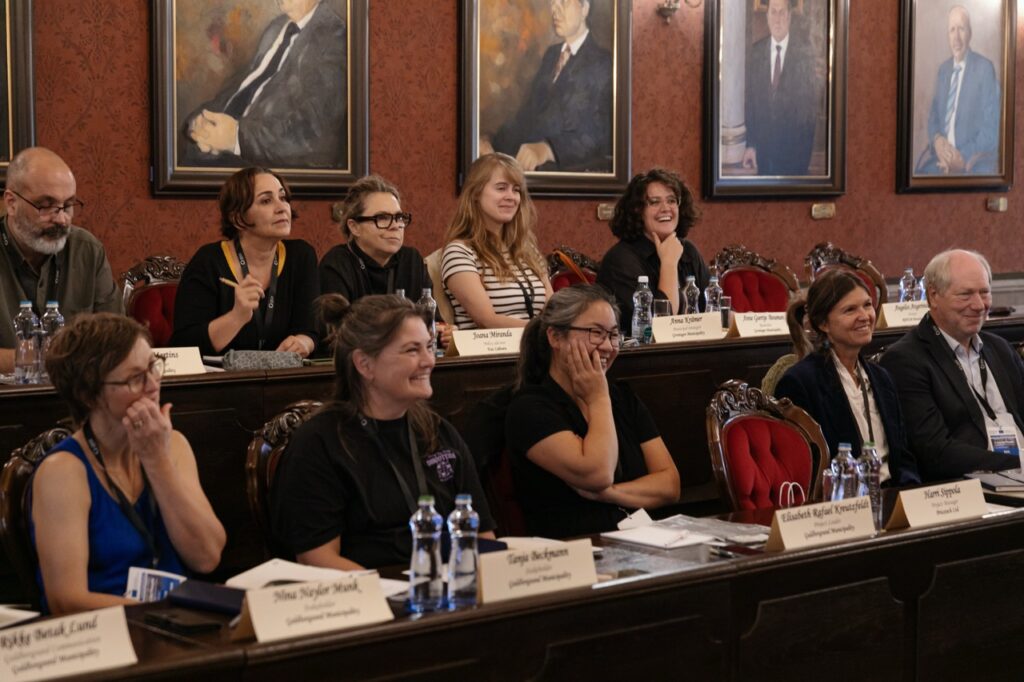
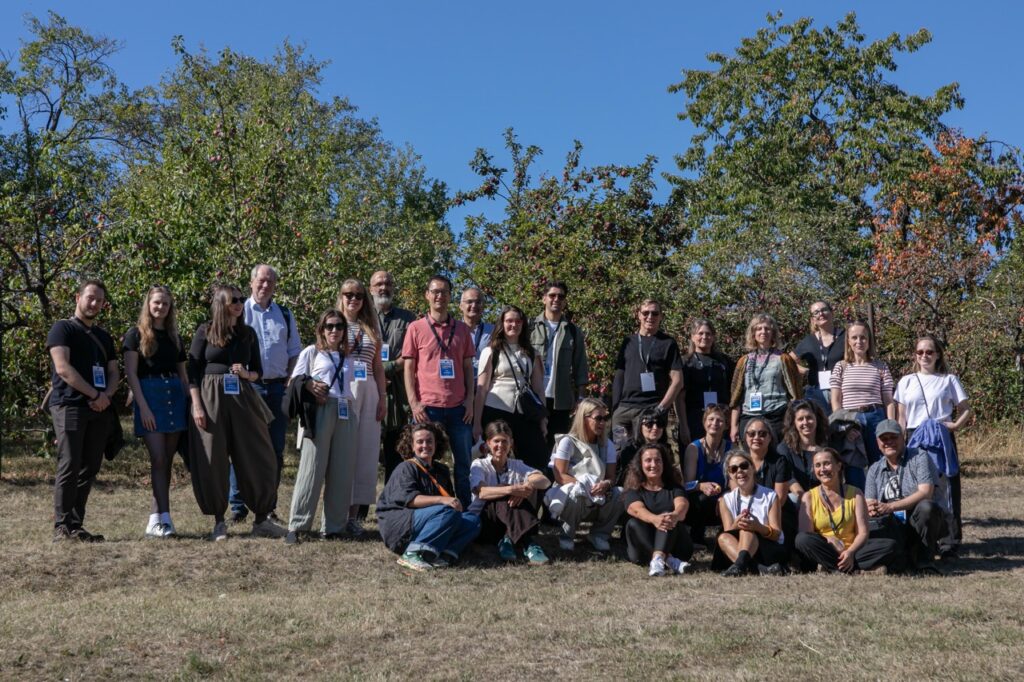
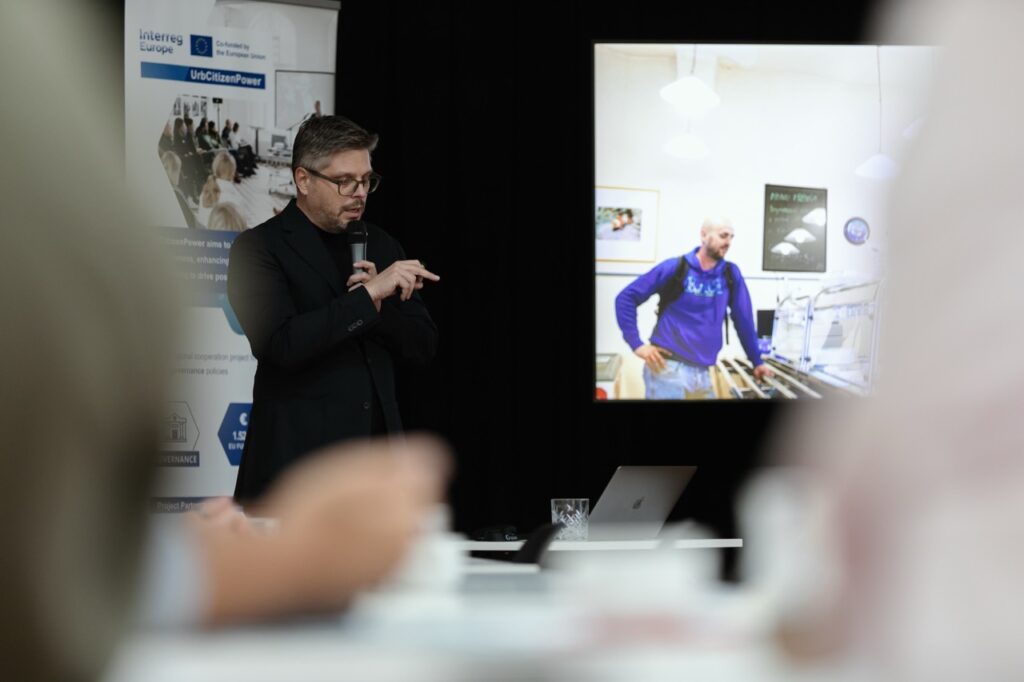
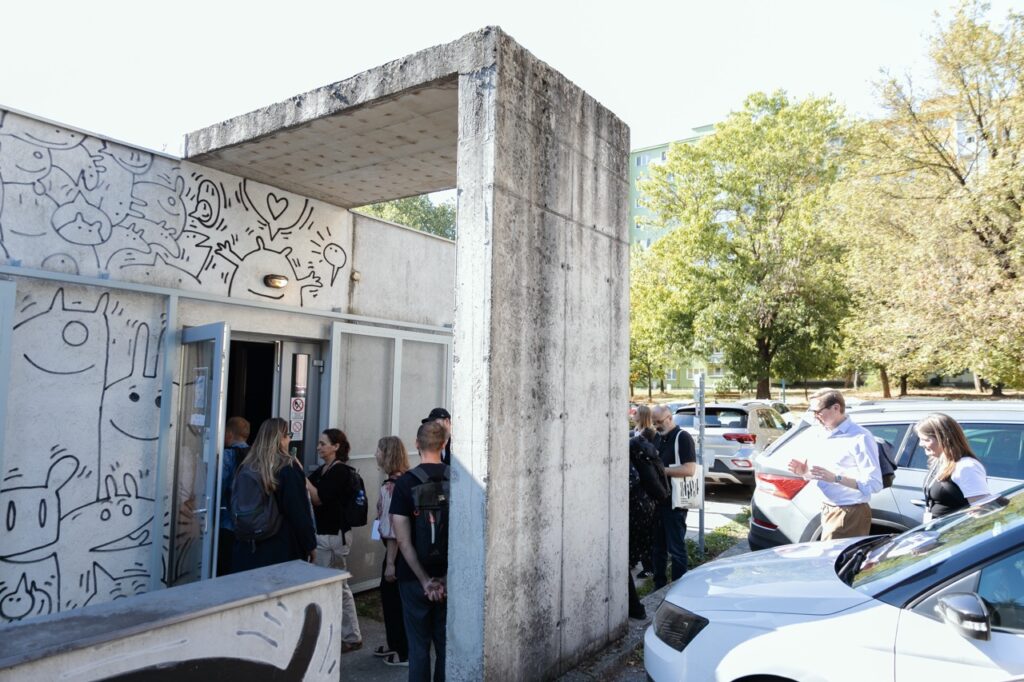
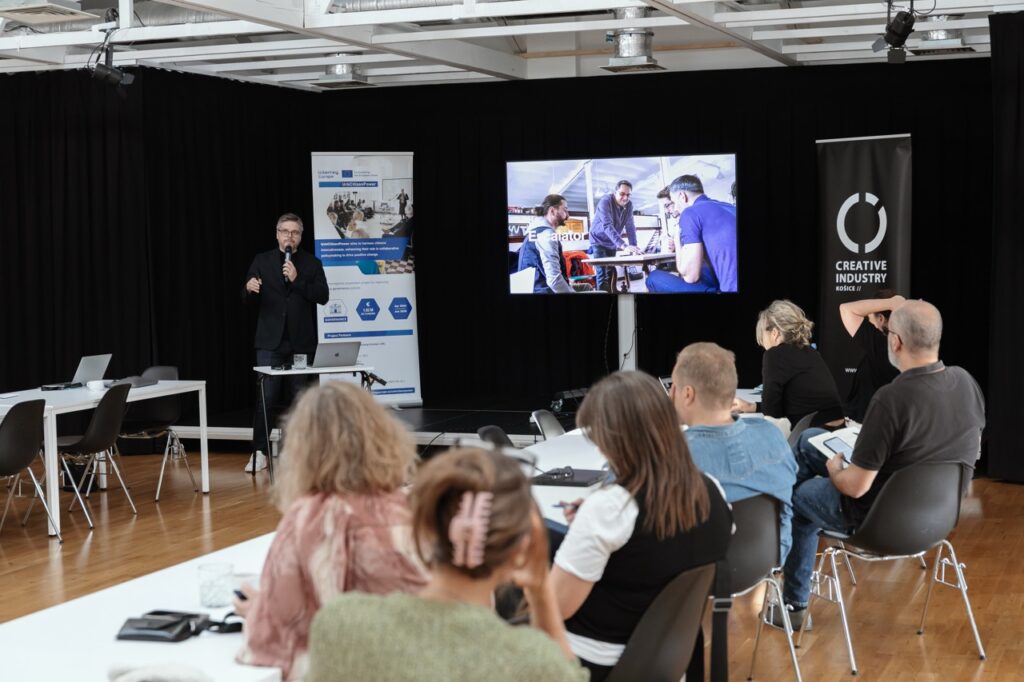
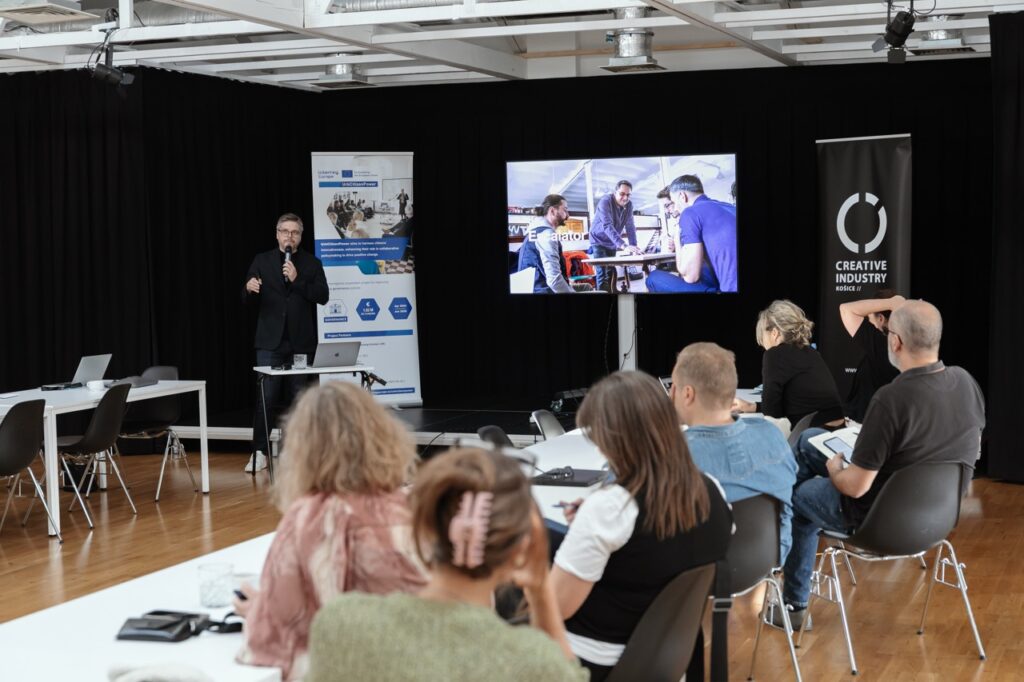
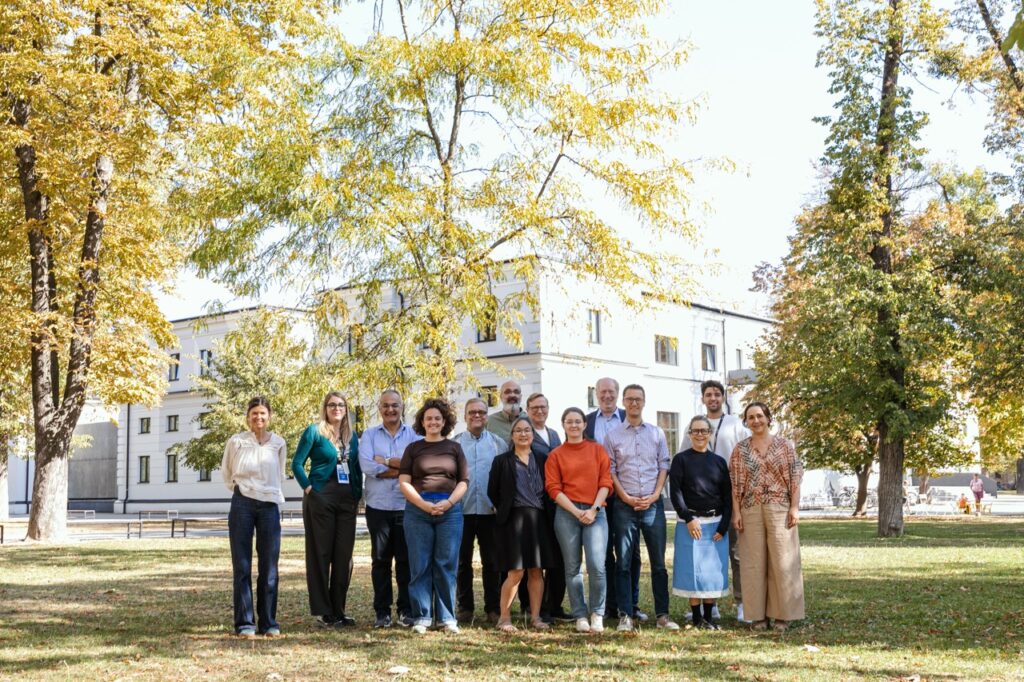
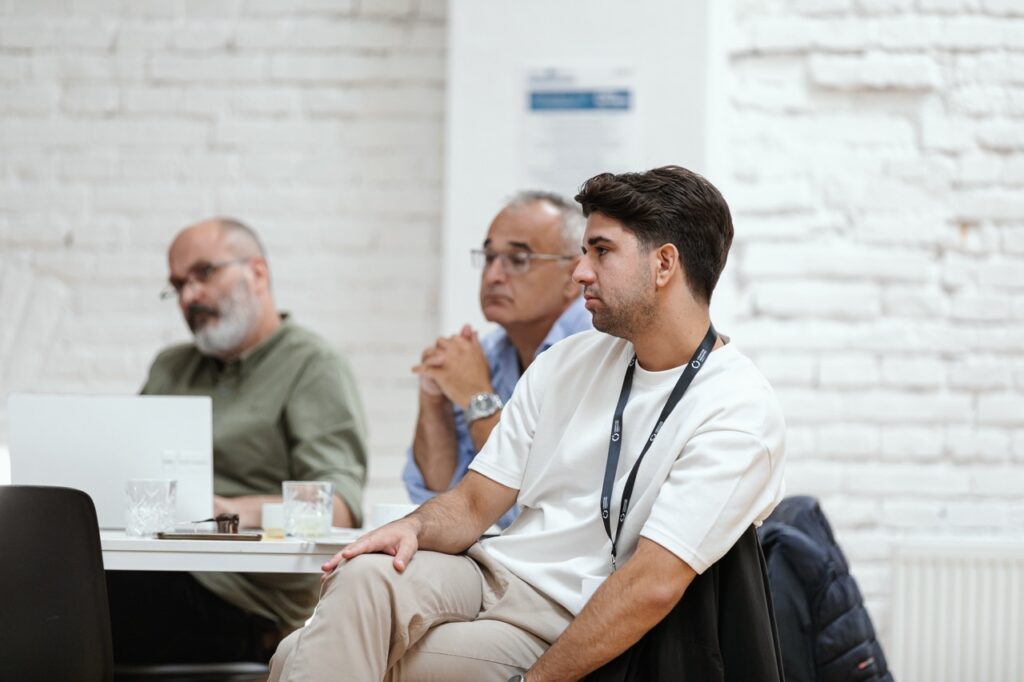
From 28 to 30 September 2026, Creative Industry Košice (CIKE) hosted UrbCitizenPower project partners and experts from Finland, Denmark, Germany, the Netherlands, Portugal and Greece. The aim of the meeting was to introduce the guests to Košice and the city’s approach to developing its Manual for Green and Blue Infrastructure, while also opening a discussion on the opportunities and challenges facing public space. The experts also visited the former heat exchanger stations, now community centres – a successful outcome of the European Capital of Culture 2013 project, which continues to support local communities and remains an important part of community development in the city. The event also served as a project meeting for the UrbCitizenPower partners.
Day One
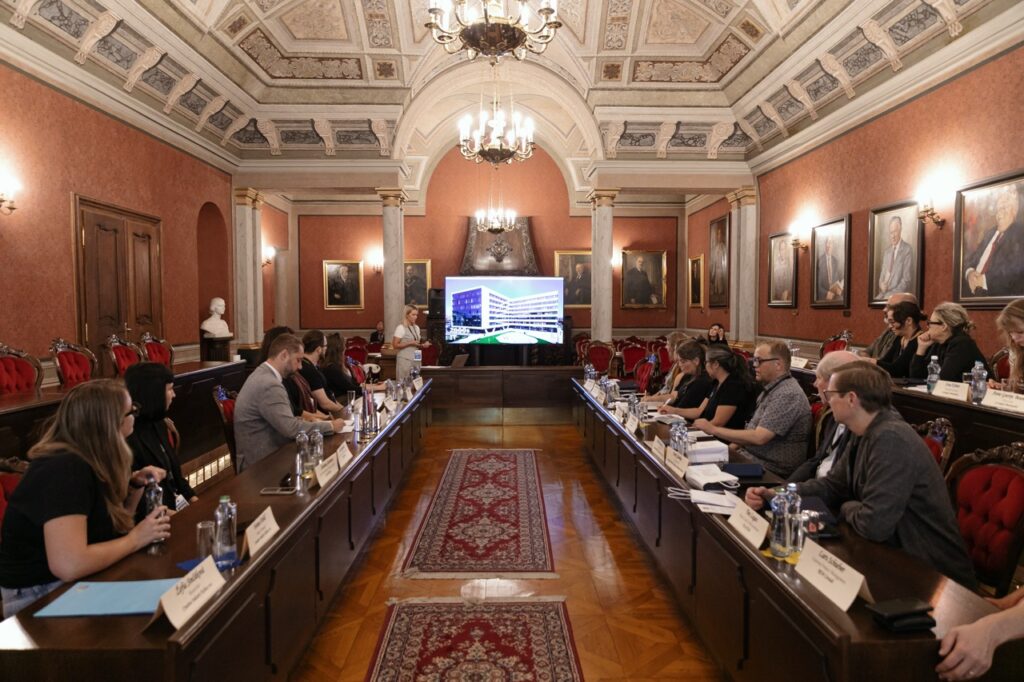
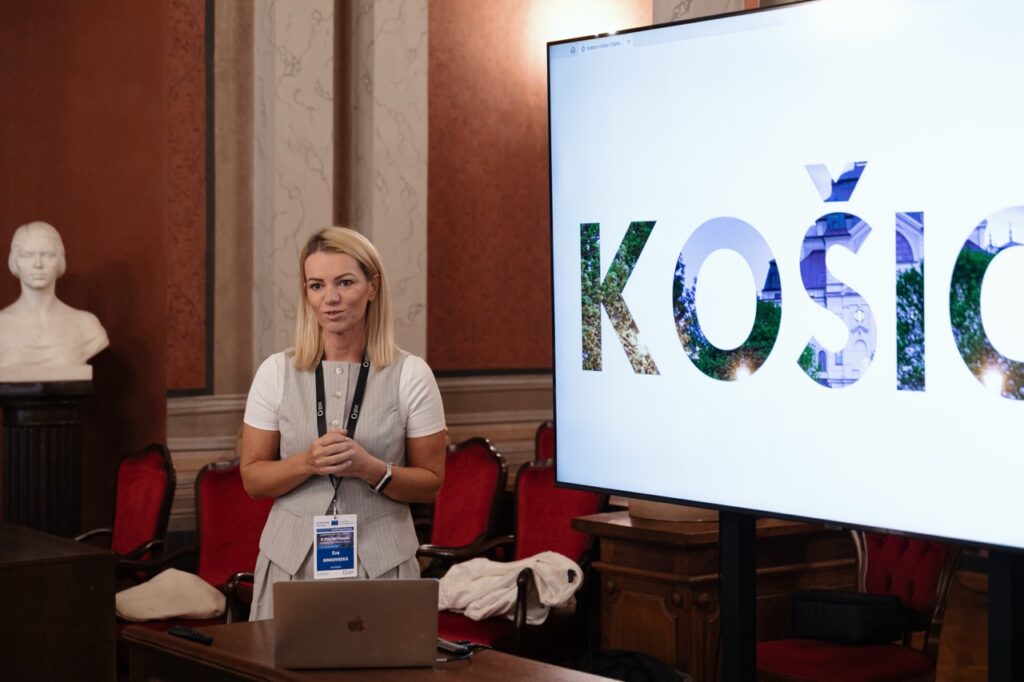
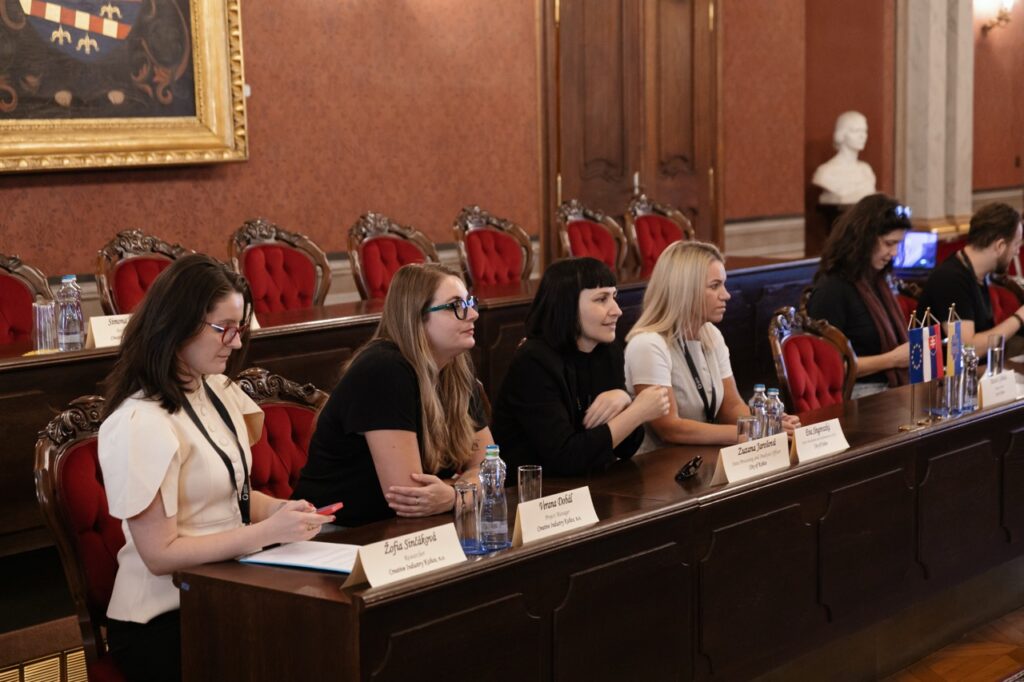
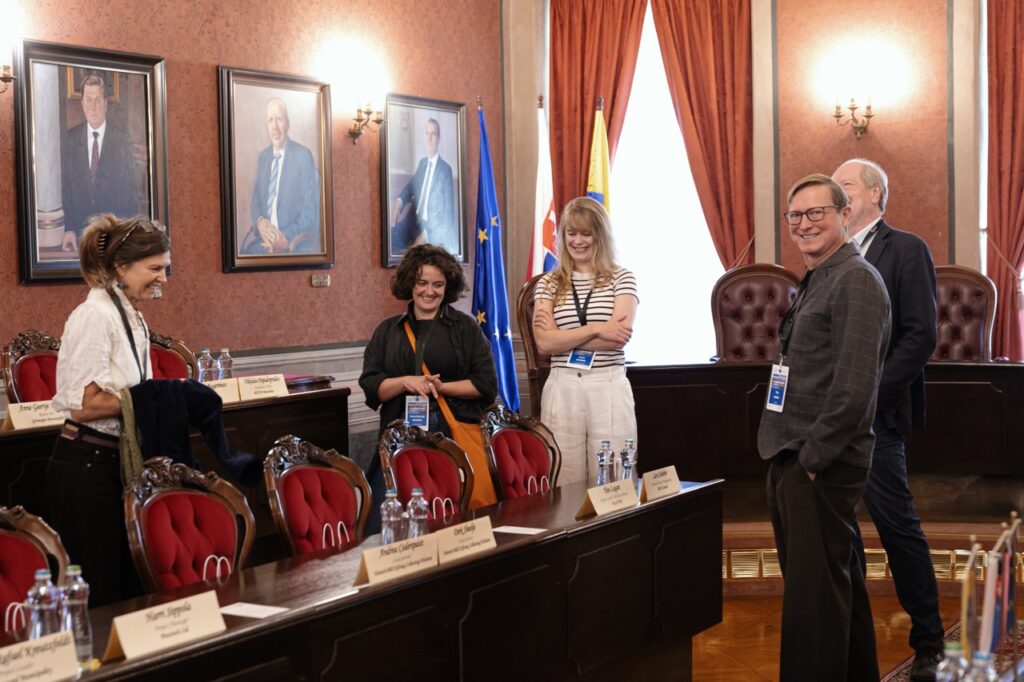
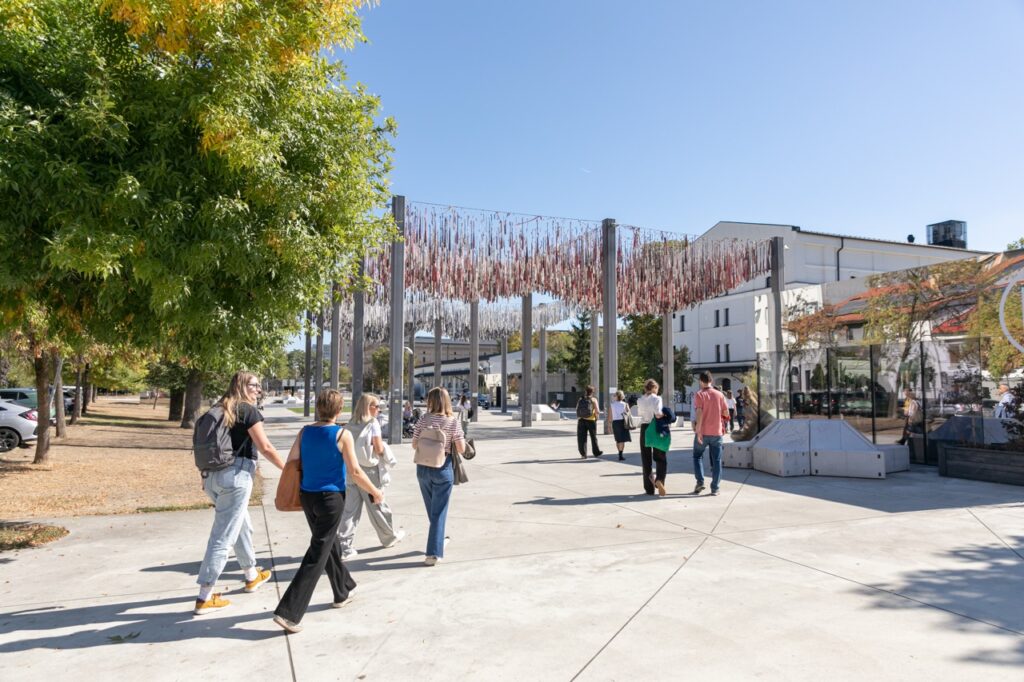
The first day of the Urban Living Lab was dedicated to introducing Košice, its ongoing transformation and the challenges the city currently faces. At the Old Town Hall, participants were welcomed by Deputy Mayor Marcel Gibóda, who, together with Eva Singovszká from the city’s Strategy Department, presented current projects and developments shaping life in the city – including the arrival of the Volvo car plant. The guests then moved on to Park za Sladovňou, which is gradually undergoing a transformation and is also featured as an example of good practice on the Interreg Europe website. In the same area, they also visited a leisure centre that is gradually being transformed into an educational centre for children and young people.
“The long-term work Košice has done after European Capital of Culture, they have really continued the momentum… From what I know about some of the ECoCs, there isn’t much continuation.” (Pori)
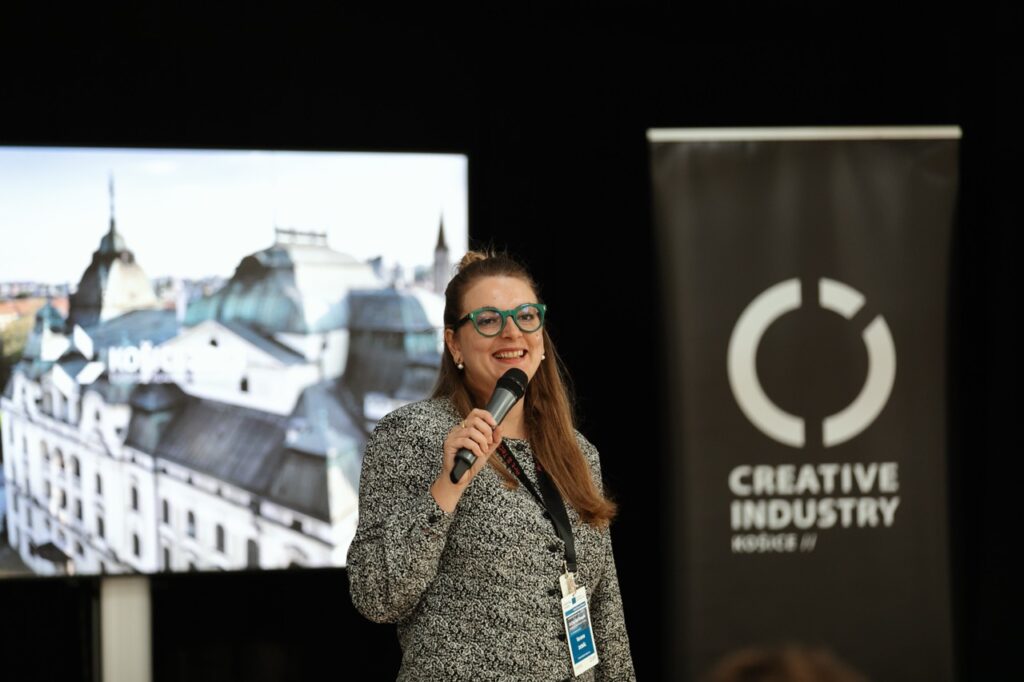
The international guests then attended a presentation by Martin Jerguš from Inštitút ÚHA (Spatial Planning Studio, CIKE) on the new spatial plan and how it will change the face of Košice. This was followed by Zuzana Jarošová, Data Processing and Analysis Officer, who presented the Public Space Manual – Blue and Green Infrastructure and the version currently in development.



Day Two
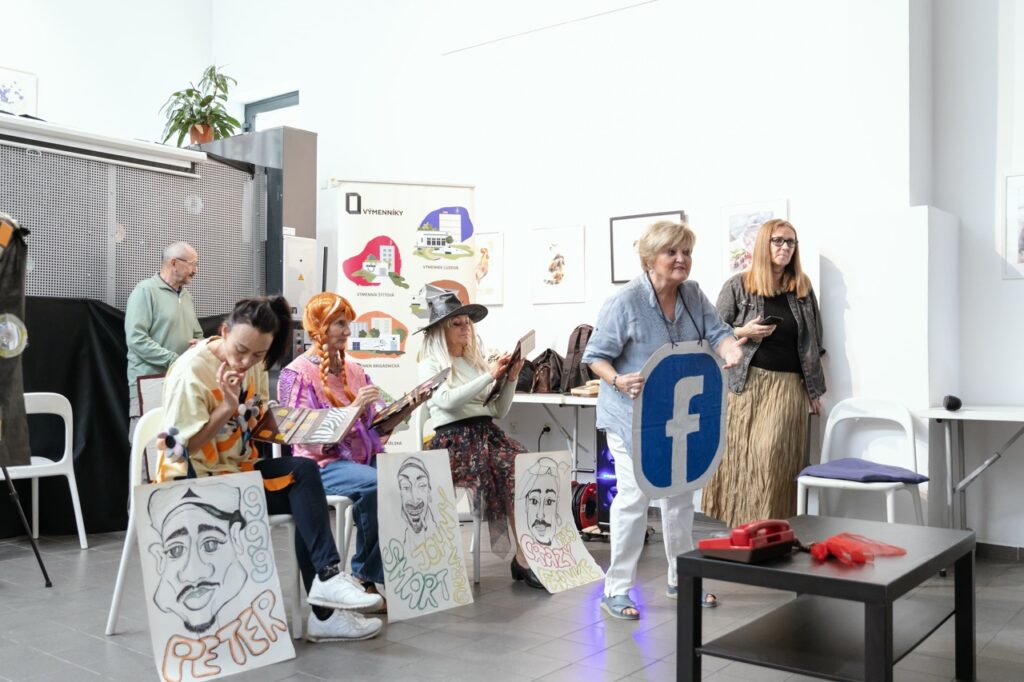
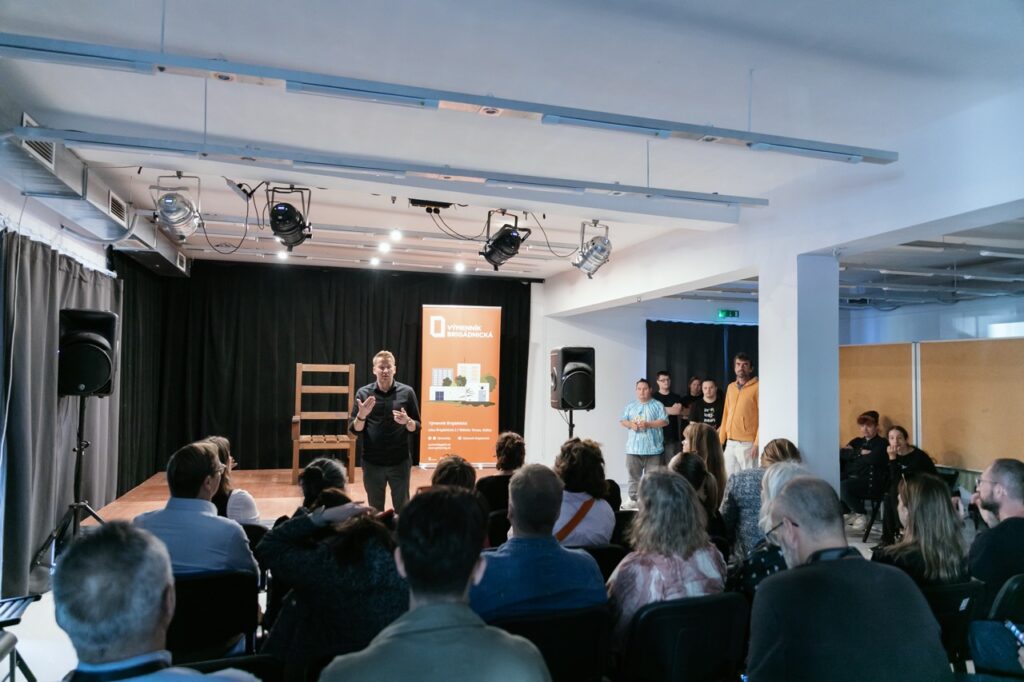
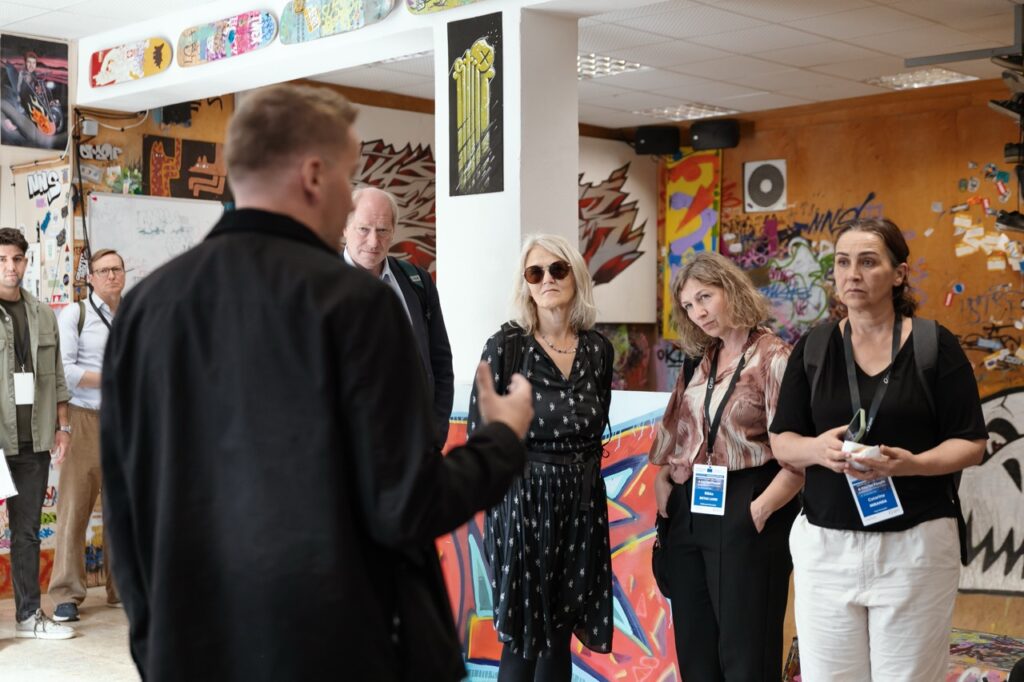
The second day focused on introducing Creative Industry Košice and the European Capital of Culture 2013 project, both presented to the guests by Michal Hladký. As a successful example of the project’s legacy, they visited the Ľudová, Študentská and Štítová former heat exchanger stations, which were introduced by Matúš Binc, Project Manager at K13.
“I like the idea of the very small community spots dotted over the city-suburbs. One; because they are placed where the citizens are, and two; because they are small and manageable.” (Guldborgsund)
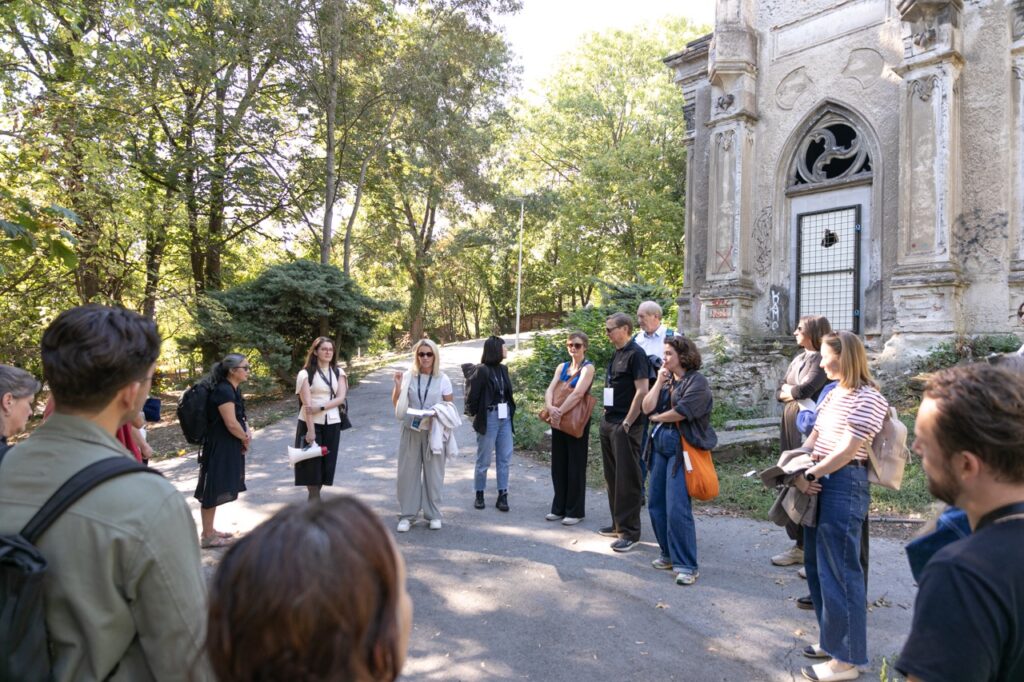
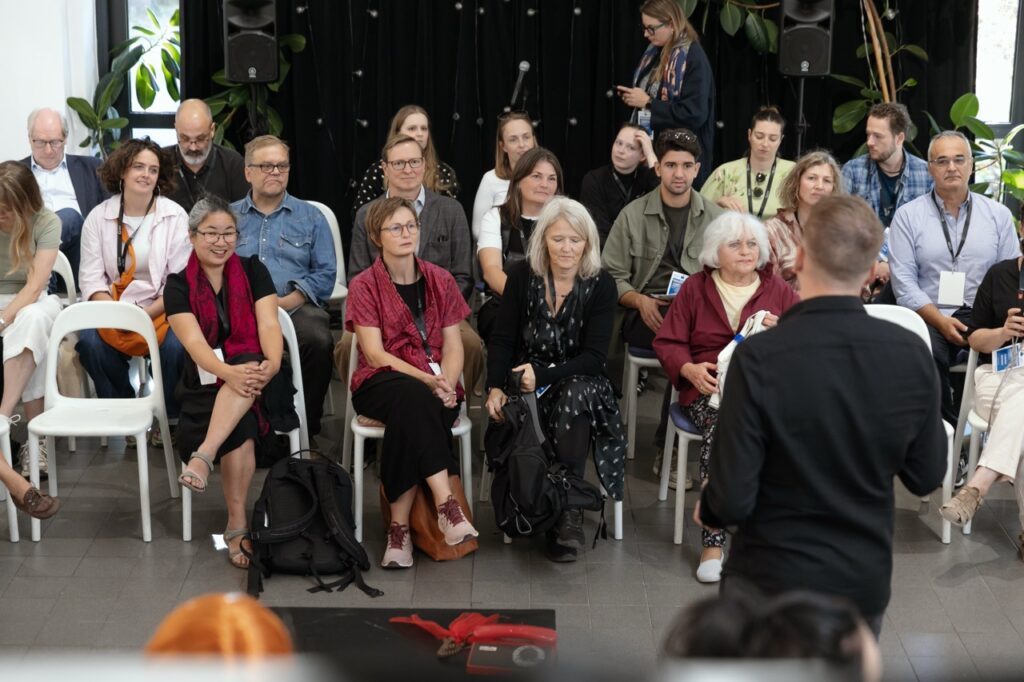
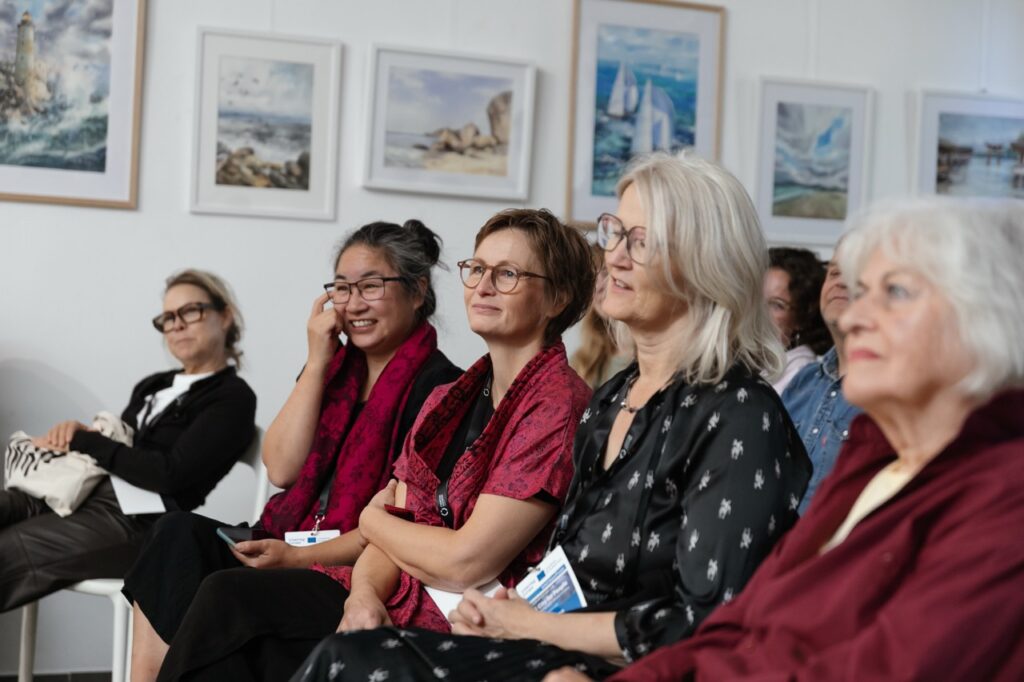
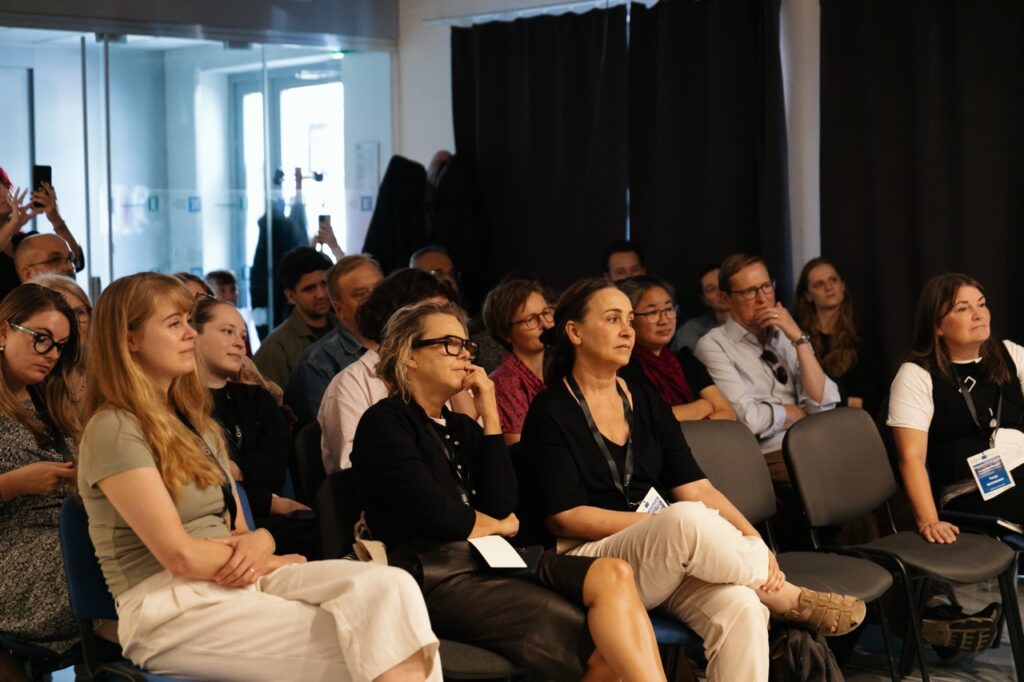
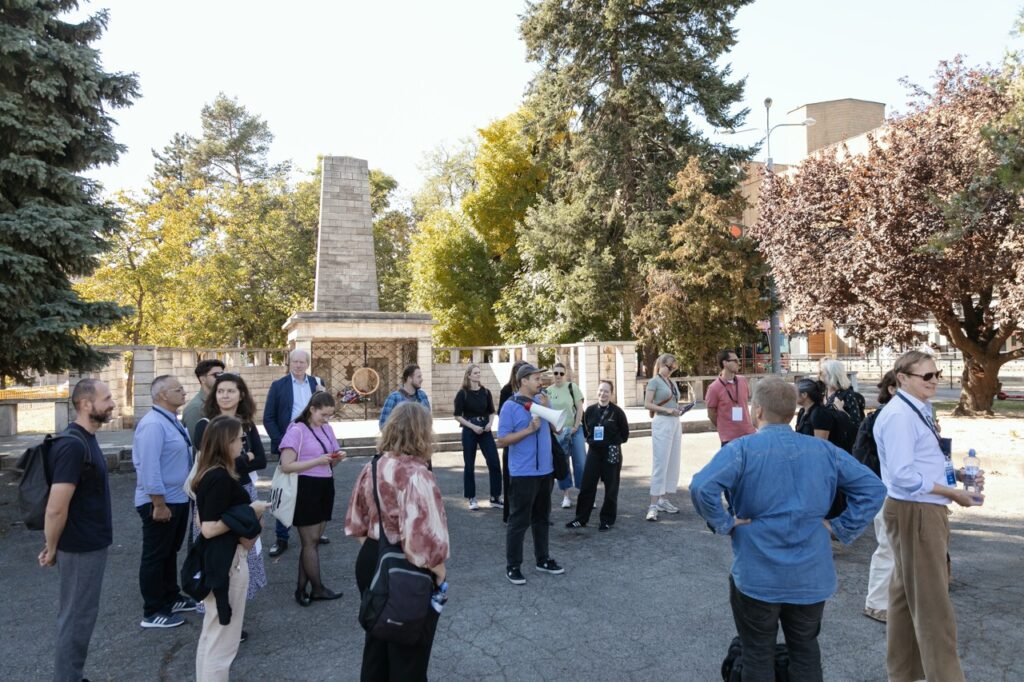
At these community centres, the guests gained an insight into the lives of local communities, who also prepared a short performance for them. Participants were then introduced to the Námestie osloboditeľov area by CIKE researcher Maroš Juhás. The area will undergo changes in the near future, partly in connection with new construction, making the question of how to transform it to offer residents a better quality of life an important issue for the city of Košice. Participants learned more about the area through an expert-led introduction and a workshop led by CIKE researchers Apolónia Pecka Sejková and Slavomír Ondoš. During the workshop, they had the opportunity to put themselves in the shoes of residents who pass through the area every day. The programme culminated in a joint discussion between experts from Košice and abroad.
Day Three
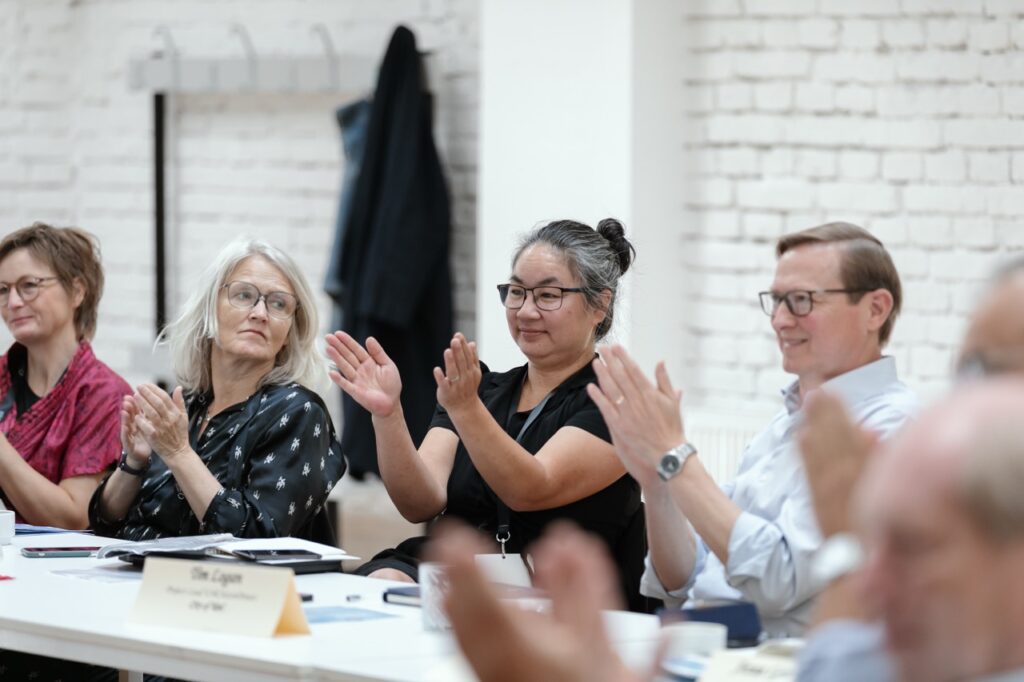
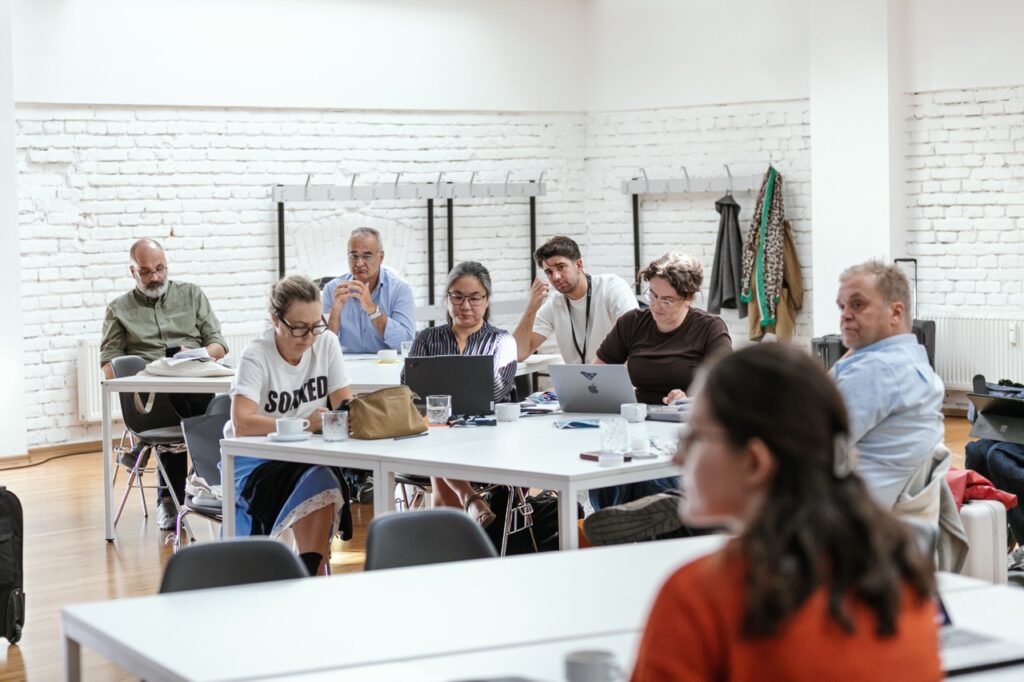
The final day was devoted to a project meeting of the UrbCitizenPower partners and feedback on the event as a whole.


You can find more information about the project on its website here: https://www.cike.sk/project/urbcitizenpower/
The project is co-financed by the Interreg Europe programme.