
Through the European Media Art Platform (EMAP), Slovenian sound artist Ida Hiršenfelder has come to Košice for a residency. At the end of her two-month stay at CIKE, an EMAP member, a multisensory installation and sound walk titled After the Flood will be created and premiered during the Art & Tech Days 2026 festival in Košice this November.
After the Flood
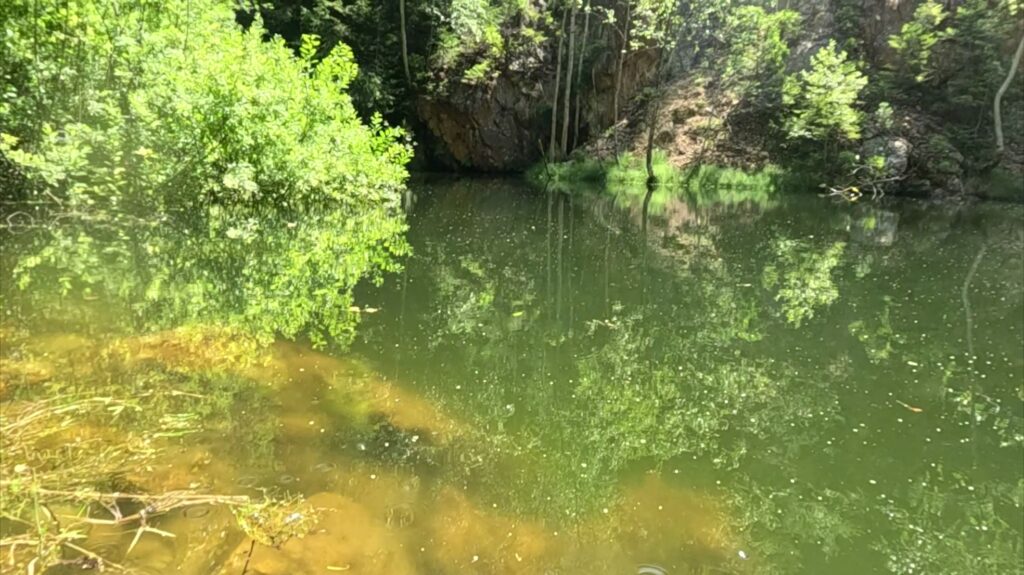
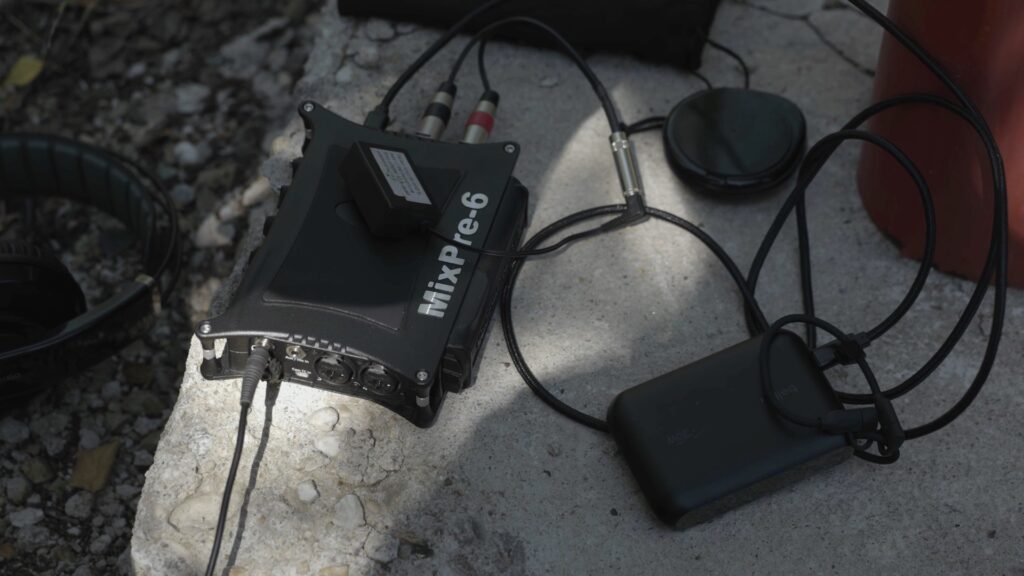
After the Flood is part of a series of sonic explorations of former mining sites affected by disasters. During the first phase of her residency, Ida Hiršenfelder, together with Polish researcher and field recordist Anna Nacher, conducted sound ecology research and field recordings at the abandoned uranium mining site Novoveská Huta in Spišská Nová Ves, Slovakia, and at the Bełchatów open-pit mine in Poland, the largest active lignite mining site in Europe.
At former mining sites, geologists propose flooding and the introduction of a cascade of native species as a way to restore biodiversity. In Novoveská Huta, flooding occurred unintentionally as groundwater seeped to the surface. The artistic research traces the origins and pathways of materials. Where do they come from? What is their metabolic pathway? Where do they end up, and how do they enter our environment?
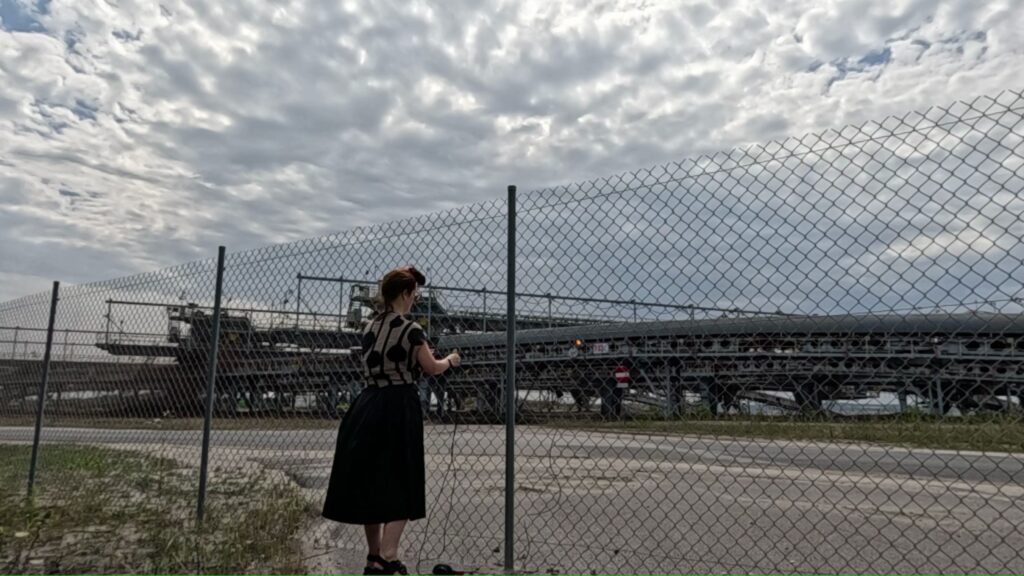
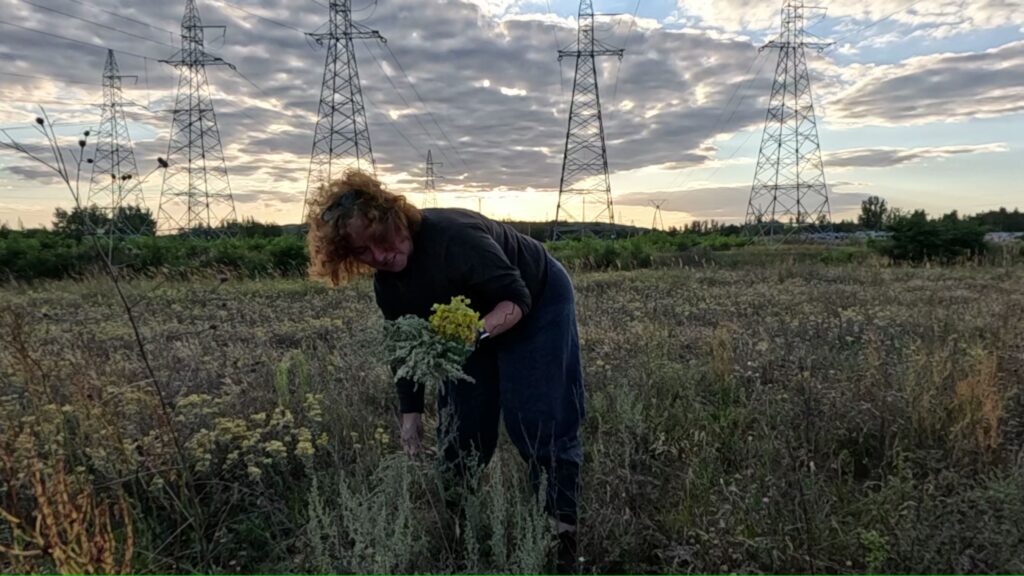
Mining disrupts the deep interior of the Earth and awakens forces that have been “sleeping” there for entire geological ages.
This artistic work explores how myths are created – not only ancient ones, but also those we create today and will continue to create in the future. They are narratives that shape what we believe. They are often rooted in science, while at the same time reaching into the realm of mysticism.
One of the most powerful myths of our time is the belief in progress. It is also reflected in the fear that science itself can evoke in us – the fear of ionising radiation and other invisible forces, of electricity, climate change or plasma.
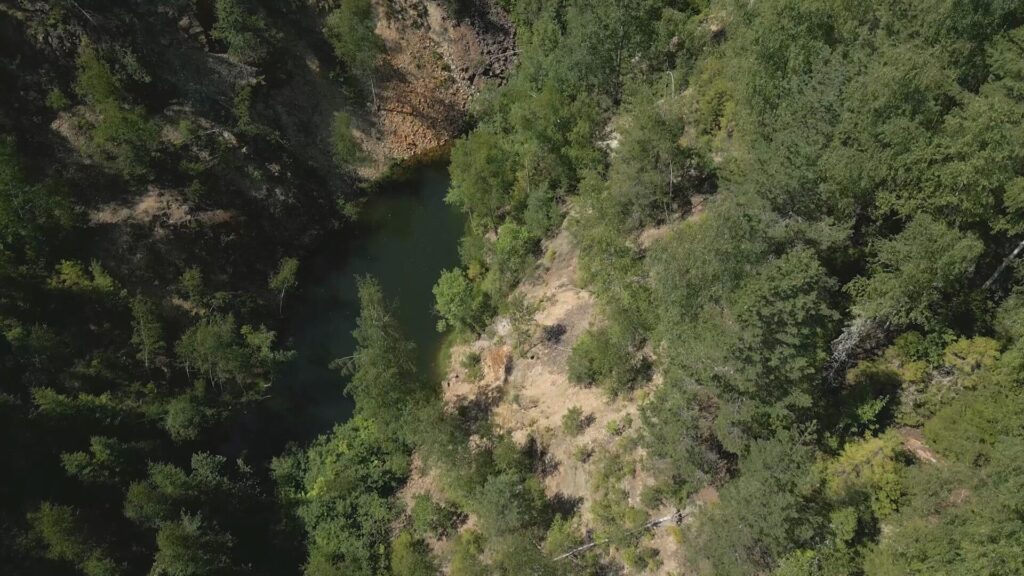

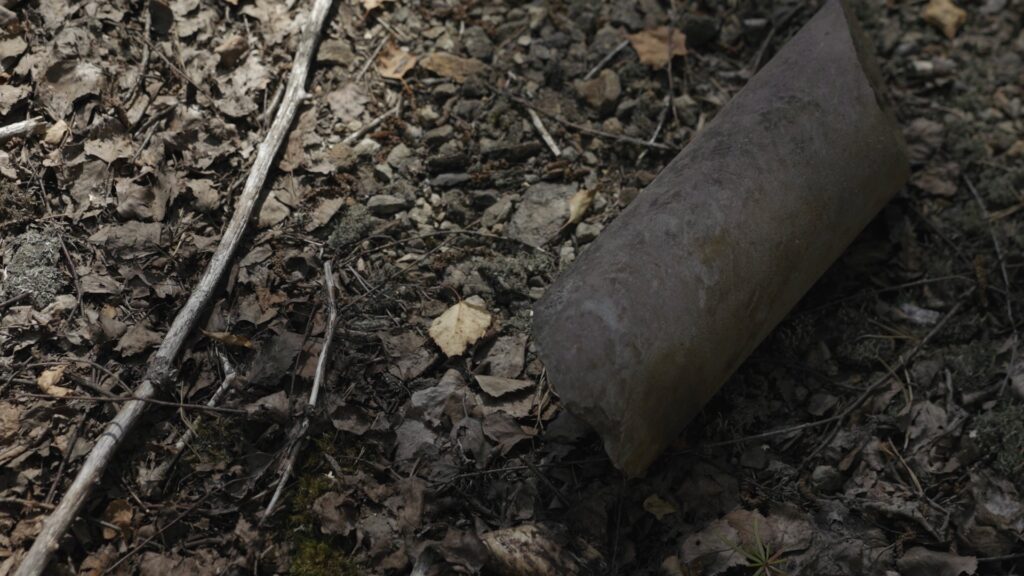

At the same time, new myths open up new ways of imagining. Climate change is not simply another version of the story of the end of the world, and electricity generation is not merely a modern Prometheus. What matters is recognising that we have crossed a point of no return and attempting to establish a sonic and emotional connection with inanimate matter, such as rock. It means taking seriously forms of time and reality that exist beyond the human scale, in geological and non-human dimensions.
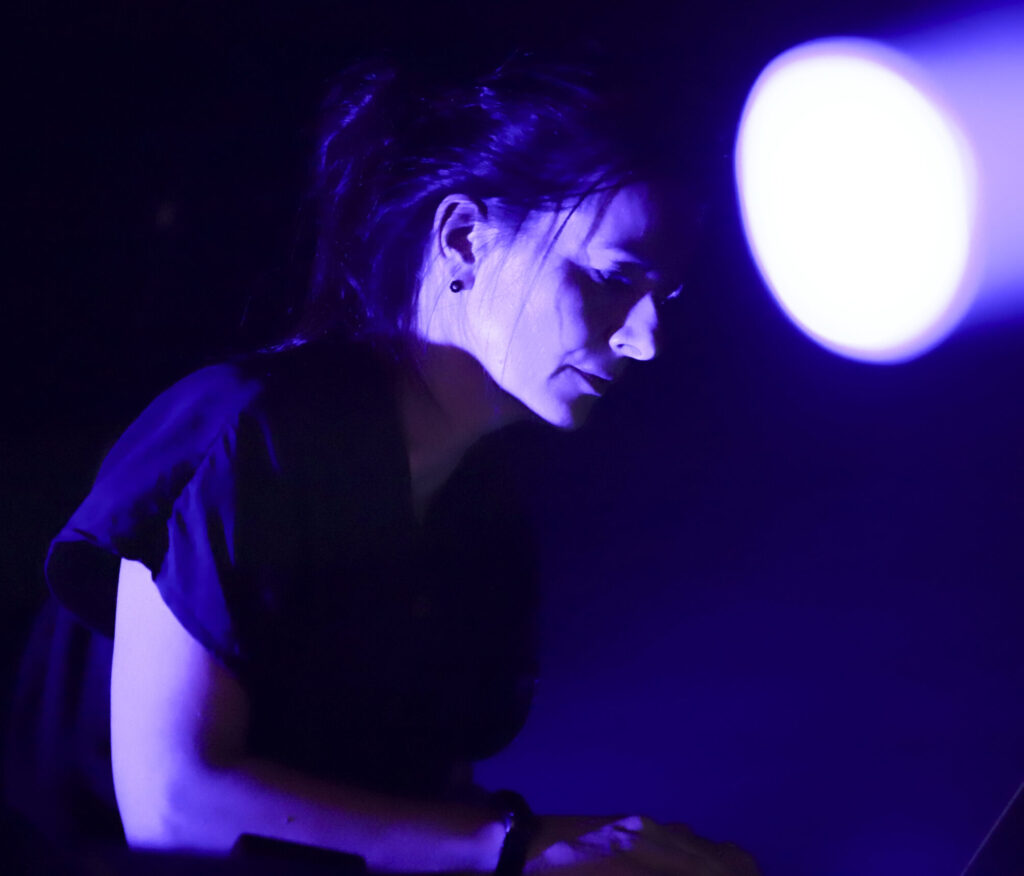
Ida Hiršenfelder, also known by her artistic name beepblip, is a Slovenian sound artist and archivist. Her practice brings together sound, space, nature and technology, creating spatial compositions and multisensory experiences. Her long-term interests include sound ecology, bioacoustics and the ways in which we perceive sounds and phenomena that often remain outside our everyday awareness.
She is a member of Jata C, a group focused on bioacoustics and sound ecology, and of the Clockwork Voltage community, which works with modular synthesis. Her practice spans sound installations, experimental music and compositions for contemporary dance. She has presented her work at major international festivals and art institutions, including Ars Electronica in Linz, ZKM Karlsruhe and Kunsthaus Graz. In the 2023/24 season, she received the Golden Lightning Award for her sound work in contemporary dance.
Find out more on her website: https://beepblip.org/.
Ida Hiršenfelder’s residency was developed within the European Media Art Platform (EMAP), of which Creative Industry Košice is a member.
The project is co-funded by the European Union